


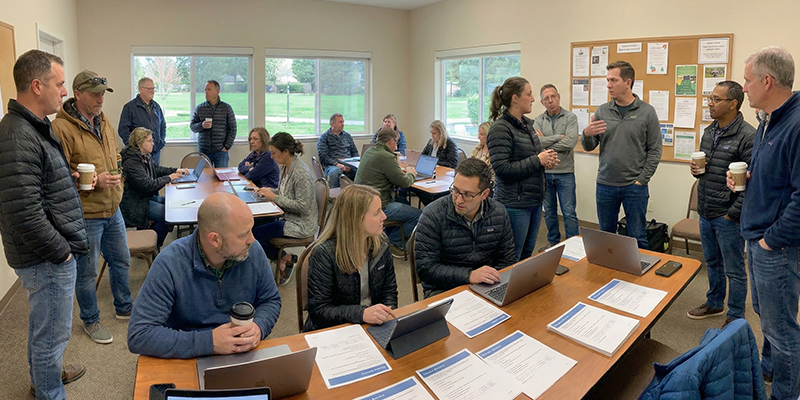
Community surveys give your board a clear window into what residents actually think, need, and expect. Instead of guessing based on the loudest voices, your HOA can use structured feedback to guide decisions, reduce tension, and improve daily life in the neighborhood.
In this article:
Community Surveys Help HOA Boards

Community surveys help your board move from assumptions to real data. Instead of relying on hallway conversations or a few emails, you hear from a broader mix of homeowners, including those who rarely attend meetings.
For many associations, this wider feedback changes the tone of discussions. Board members have more confidence in decisions because they can point to specific survey results. Homeowners also feel that their opinions count, which reduces suspicion and frustration.
Over time, regular community surveys create a culture where feedback is normal rather than confrontational. People start to see the board as a partner, not just an authority.
Bringing Better Communications
Healthy communication in an HOA goes both ways. Community surveys give residents a simple way to respond, not just receive notices and reminders.
Quiet owners, busy families, and new residents often appreciate this kind of structure. A short survey feels easier than speaking up in a crowded meeting or writing a long email. When the board offers both options, more voices are heard.
Neighborhood surveys can also be tailored to specific groups. You might send one version to owners and a different version to tenants, or run a special survey for a single building that is dealing with a unique issue.
Making Better Decisions With Real Data

Every board faces tough choices about budgets, rules, and projects. Community surveys help you understand which ideas have broad support and which ones may cause friction.
Before adjusting assessments or planning a major project, HOA surveys can ask residents about priorities. For example, owners can rank planned upgrades, share concerns about parking, or rate how satisfied they are with current services.
When the results are clear, board discussions become more focused. Instead of wondering what the community wants, you already have a snapshot of preferences to guide the final decision.
Support for Long-Term Planning and Reserves
Reserve projects and long-term plans affect everyone for years. Community surveys give your board insight into how owners feel about timing, scope, and impact.
A survey can ask residents which common areas feel tired, which amenities they use most, and what types of improvements they value. This does not replace a reserve study, but it helps you match technical recommendations with homeowner expectations.
Repeated community surveys over several years also reveal trends. If more residents are asking for shaded seating, improved lighting, or updated fitness spaces, your board can factor that into future plans instead of reacting at the last minute.
Community Surveys vs Everyday Feedback

Emails, phone calls, and casual comments still matter. However, they usually reflect only a small slice of the community.
Community surveys offer structure. Questions are organized, topics are clear, and responses can be measured. You are not just hearing from whoever is upset that week, but from a mix of residents with different schedules and views.
Both types of feedback work best together. Everyday feedback alerts the board to urgent problems, while neighborhood surveys give a broader view that supports policy changes and long-term planning.
Designing HOA Surveys That Residents Actually Answer
Residents are more likely to complete surveys that feel short, focused, and respectful of their time. Clear goals help you keep things tight and avoid question overload.
Most HOA surveys work well with a mix of simple formats. Yes-or-no options and rating scales make it easy to respond, and a few open-ended questions give homeowners room to explain unique situations.
For quick pulse checks, many boards stick to a survey that takes only a few minutes to finish. Shorter surveys tend to draw more participation and better quality responses.
Simple Design Tips for Community Surveys
A few basic choices can make your community surveys more effective:
- A short introduction that explains why you are asking for feedback and how it will be used
- One main goal, such as budgets, amenities, rules, or communication, instead of packing everything into a single survey
- Plain language for every question, so residents do not need to decode legal or technical terms
- An optional comment box at the end, for ideas or concerns that did not fit anywhere else
When the survey feels clear and respectful, residents are more likely to respond honestly.
Choosing the Right Format for Neighborhood Surveys
Different communities need different survey tools. Many boards use online forms because they are fast to create, easy to share, and simple to tally.
Some residents still prefer traditional formats. Paper surveys, printed and dropped off at doors or mailboxes, can be helpful for older owners or neighbors who are less comfortable with technology.
A blended approach often works best. Online HOA surveys can be promoted through email and a resident portal, while paper copies are made available at the clubhouse, management office, or community events.
Encouraging Participation and Building Trust
Participation rates matter just as much as survey design. A larger pool of responses gives a more accurate picture of what the community thinks.
Clear communication helps. Residents respond more when they know why the survey is important, how long it will take, and what will happen with the results. A simple deadline and one or two friendly reminders usually improve turnout without feeling pushy.
Trust also grows when people feel safe to share honest opinions. Some topics work well with anonymous responses, especially sensitive issues around rules, noise, or safety. Other topics may require identified responses, especially when follow-up is needed. Sharing this choice upfront makes the process feel more fair.
Sharing Results and Closing the Loop

The real value of community surveys appears after the responses are collected. Homeowners want to know what was learned and what the board plans to do next.
A short summary works best. Boards often highlight key themes, general levels of support, and a few representative comments. This can be presented in a newsletter, an email update, or a brief slideshow during a meeting.
Most important is the follow-through. When the board explains which ideas will move forward, which ones will wait, and why certain suggestions cannot be implemented, residents see that their input influenced real decisions. That closing step builds trust and sets the stage for the next survey.
Common Pitfalls When Running Community Surveys
Community surveys work well when they are focused and fair. Problems start when surveys feel confusing, overwhelming, or biased.
Overly long questionnaires often push residents to quit halfway through, or rush through important questions just to finish. Leading questions can tilt the results by nudging owners toward a specific answer. Both issues weaken the quality of the feedback.
Privacy concerns also deserve attention. Storing responses without a plan, or sharing raw comments too widely, can make residents nervous. A simple policy on who can see the data, how long it will be kept, and how it will be used helps avoid misunderstandings.
Partnering With an HOA Management Company
Many boards already juggle full schedules. An experienced HOA management company can support the entire survey process, from planning questions to distributing forms and compiling results.
Management teams often have access to digital tools that keep responses organized. They can help you track participation, create simple charts, and prepare summaries that are easy to share with the community.
Strong partnerships make community surveys easier to repeat. Once a process is in place, future surveys can be adjusted and reused for annual check-ups, major projects, or specific topics that need feedback.
Surveying With Confidence
Community surveys give your board a clear, organized way to listen to residents and act with confidence. When surveys are designed well, shared clearly, and followed by visible action, they become one of the most helpful tools your HOA can use.
Do you need a property management company to help with community surveys? Check out our online directory to find one today!
Related Articles:
 Company