


Renting out a property usually needs a property manager to work with. You may be wondering if a property management company should pay for repairs. Should they be paying for repairs at all or simply handle repair and maintenance requests?
Do Property Management Companies Pay for Repairs?
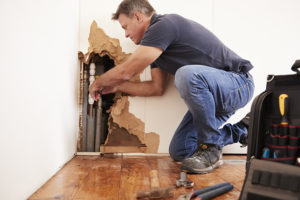
If you’re wondering”does a property manager pay for repairs?” the answer is no, but there’s no cause for concern. Part of a manager’s duties is ensuring that rental properties are well maintained. They’re supposed to handle the majority of the process. This includes noting a tenant filed a repair request and scheduling the job. You won’t often have to step in unless it’s to allow a major repair.
How you pay for these repairs depends on your chosen property management company. However, there are certain guidelines to follow.
Some companies need landlords to set up a reserve fund or reserve account using a part of what you pay them. The amount needed will depend on the terms of your contract, but you can expect it to reach several hundred dollars. This reserve fund is for the property management company to pay for repair services. Afterward, a part of the rent collected will go towards rebuilding the reserved fund.
Some companies charge you extra for any maintenance and repair costs. Whether this is an itemized bill that you get at the end of the month or a monthly flat fee depends on the company. The property management company will cover the costs themselves. You’ll then have to pay them back.
Rental Property Maintenance and Repairs
When it comes to maintenance and repairs, the filing of a request may vary. This will depend on the landlord’s or property management company’s policies. As with the payment, there are guidelines that many landlords and companies follow.
Step 1: The Tenant Fills Out a Maintenance Form
When tenants notice a need for repair or replacement, they’ll notify their landlord of the issue. But if there is a property management company in between, the tenant notifies the company instead. The tenant will fill in a request form, which is available online or at the property management’s office.
Step 2: The Tenant Provides Details of the Repair
The maintenance request form helps the company keep track of repairs and maintenance. In either case, the tenant will have to provide specific details about the needed repair. These details include what type of issue they’re dealing with. It could also cover the location of the rental property and how long ago the issue started.
Step 3: The Company Evaluates the Request
As the tenant submits the request form, the property management company checks it. They’ll also see if it falls within the scope of the company’s responsibilities. They may ask questions, too, to determine what caused the issue. They will also need to pinpoint how severe the issue is. The costs for routine repairs are different compared to those of emergency repairs.
Step 4: The Company Schedules the Repair
As the property management company completes the evaluation, they’ll now call a contractor. This is to schedule a date and time for the repair work. Depending on the specific company’s policies, the tenant may have to be present during the repairs.
If the issue is severe enough, a property manager may call you to inform you of the repair work needed. This is to keep you updated on your rental properties and for you to know what to expect if you’re billed for repairs after the fact.
Step 5: The Company Follows Up with the Tenant
After the repair, the property management company will have to get in touch with the tenant. This is to make sure the contractors arrived when they said they would, and they’ve done the repairs. They also have to check that the issue is, in fact, resolved and ensure the tenant is satisfied with the work done.
Maintenance and Repair Responsibilities
In many states, property management companies – and the landlords they work with, by extension – are required to provide habitable living spaces. But are there times a repair falls outside of their responsibilities?
Who finds the contractors for repair and maintenance work?
Will a property management company cover repairs? No, they won’t, but they still have to ensure that repair work is done in a timely manner. They’ll have a list of contractors they work with or look for a contractor as needed.
If you had a great experience with a contractor, you can have your property manager call them. In the same vein, you can request your property manager not to deal with certain contractors if you didn’t like working with them in the past.
Can I make a tenant pay for repairs?
In many cases, you can’t make a tenant pay for repair work since it’s part of the property manager’s job. Still, tenants need to do their part in maintaining the unit or home, so they can be held liable if they damage the property in some way, even if it is through negligence.
For example, if rowdy guests break a window, the tenant has to pay for the replacement. If they overload electrical outlets by plugging in too many appliances at once, they’ll have to pay, too.
Other situations where the tenant pays for repairs include:
- Damaged appliances due to improper use
- Willful removal or disabling of safety features like smoke alarms
- Not allowing repairmen and contractors onto the premises
Working with a Property Management Company
Whether you want to simply invest in rental properties and have someone else handle them, or you’ve tried being more hands-on but found you couldn’t keep up with everything expected of you, working with a property management company is a good option.
As you may already know, a property management company will take on several duties, such as screening tenants, preparing lease documents, and taking care of evictions in a legal manner. How much they actually do, though, will depend on how involved you want to be as a landlord. Given all that, if you have several rental properties and some of them are in a different city, relying on a property manager is a godsend, especially if you don’t want to find yourself facing charges of housing discrimination or something similar.
The Bottom Line
If you were hoping to save money on maintenance and repairs by working with a property manager, it may be discouraging to learn you’ll still be paying for those. On the upside, they can help you find good rates for repairs and help you get in touch with great contract workers and repairmen.
So even if you can’t exactly have a property management company pay for repairs, having them take charge of everything when the need for repairs arises is worth what you pay since you won’t have to race to stay on top of upkeep.
Related articles:
- How To Legally Evict A Squatter On A Rental Property
- Property Management Service Trends For 2022
- Pest Control In Rental Properties: Who Is Responsible?
 Since this is a problem for the building, it is the responsibility of the property manager to make sure the
  Company