


Bad tenants are a dime a dozen and every landlord’s worst nightmare. The good news is you can learn to avoid and deal with these tenants, thereby protecting your investment and saving yourself the headache.
What Are Bad Tenants?
Bad tenants exist everywhere, and they can make your work as a landlord unbearable. These tenants give you a hard time with just about anything — from collecting rent to making repairs on your rental property. Because of their terrible behavior, you might even receive countless complaints about them from their neighbors.
What makes a bad tenant? It depends on what qualities you consider as bad. Some landlords think loud tenants are bad, while others have no problem with them. Generally, though, most landlords agree that a tenant who consistently pays rent late is bad. If you find yourself Googling “how to make tenants uncomfortable,” then there’s a good chance you have a bad tenant problem.
Types of Bad Tenants
During your time as a landlord, here are the different types of bad tenants you might encounter:
- Tenants Who Don’t Pay Rent on Time (or at All). This is one of the most common landlord tenant issues. When tenants fail to pay rent on time, in full, or altogether, they’re definitely bad.
- Tenants Who Cause Damage to Your Rental Property. Some tenants intentionally inflict damage to your rental property, while others are just negligent or careless.
- Tenants Who Are Bad Neighbors. You know the type — these tenants throw loud parties, have pungent odors coming from their unit, or are just generally rude.
- Tenants Who Don’t Follow Pet Rules. If you have pet restrictions, you can bet these tenants will ignore them.
- Tenants Who Sublet Without Permission. Subletting your property to another renter without obtaining permission is usually a violation of the lease agreement. Poor screening can also result in a bad tenant.
- Tenants Who Refuse to Leave. These tenants stay in the unit even after the lease expires. In other words, they’re squatters.
- Tenants Who Break the Law. These tenants engage in or promote criminal activity, which can put you at risk of liability.
How to Avoid Bad Tenants
How do you protect yourself from a bad tenant? The best way to protect yourself from an awful renter is to avoid renting to one in the first place. You can do this by adopting some stringent requirements and processes, such as:
1. Use a Rental Application
During the tenant search and screening process, ask interested renters to completely fill out an application form. A rental application form will let you collect essential information, including but not limited to their employment history, rental history, and their reason for moving. It’s a bad sign if they can’t offer sufficient information, especially in the case of employment and prior residences.
2. Ask for a Security Deposit
Property damage is one of the biggest landlord problems when it comes to poor tenants. And, sometimes, you don’t even find out about the damages until the tenant decides to move out. Thankfully, you can avoid issues with payment by asking for a reasonable security deposit.
Make it clear to tenants, though, that the security deposit isn’t meant to cover rent. Some tenants believe that landlords can just dip into the security deposit in case they’re behind on rent and can’t pay. The security deposit exists to address any damages upon move-out.
3. Screen Tenants Thoroughly
Make it a part of your screening process to check the following:
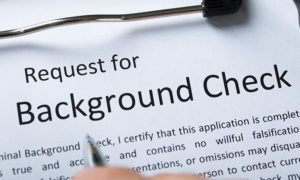 Credit score. Running a credit check on your tenant ensures that they’re in good financial standing. Some landlords even require a minimum credit score of 600 to 620 to approve a tenant.
- Employment history/status. Verifying a tenant’s source of income lets you know that they have the means to pay rent. It’s also worth calling their current and past employers to gain insight into their character.
- Rental history. Contacting past landlords is a great way to learn what to expect from a prospective renter. Make sure to ask whether the tenant paid rent on time, damaged the property, has been evicted, or violated the lease in any way.
- Criminal history. A criminal record is often a red flag, but you should be careful about denying applicants just because they have a history. Under fair housing laws, you can’t have a general policy against applicants with any type of criminal history. Instead, you can deny applicants with specific records that could put the safety of other tenants at risk.
It’s a good idea to outsource comprehensive background checks to tenant screening services. These services usually have access to your local bad tenants list, also known as a tenant blacklist, which uses court data to identify any tenants who previously ended up in housing court.
4. Write a Strict Lease
An ironclad lease agreement will help you avoid problem tenants. Include all the policies you have about your rental property, including restrictions on pets, smoking, vehicles, guests, and the like. You should also outline what consequences a tenant can expect if they break the lease. If you have no legal background, it’s best to consult an attorney for this.
How to Deal With Bad Tenants
It’s one thing to avoid bad renters, but what if you’ve already got on as a tenant? If a tenant has managed to slip through the cracks of your screening process, you have no choice but to deal with them.
It’s never a good idea to retaliate against your tenants by increasing their rent or refusing to make repairs. That kind of retaliatory action is illegal in most states. Instead of learning how to get revenge on bad tenants, you should know how to deal with them properly and legally instead.
How do you deal with bad tenants? Let us count the ways:
1. Evaluate
Before you start researching sneaky ways to get rid of bad tenants — which is morally (and perhaps legally) wrong, by the way — you should first evaluate the situation. If you’re receiving complaints from neighbors about a tenant’s behavior, look at it from different perspectives. Perhaps the problem doesn’t even demand that you step in. It might just be a personal neighbor-to-neighbor dispute that requires no intervention from you, the landlord.
2. Stay Calm
When you fly off the handle, you immediately lose control of the situation. Remember that communication is key when it comes to dealing with the worst tenants. Hear them out, and then explain your side of the story. Never let your personal biases cloud your judgment. It’s all part of cultivating a good working relationship with your tenant.
3. Be Kind
Some tenants don’t start out as bad but seemingly end up that way because of some personal or financial troubles. Beyond listening to your tenant, you should also try to understand them. Perhaps they’re a month behind on rent because they just lost their job and are struggling financially. In that case, try to set up a partial payment plan so they can have some wiggle room.
Of course, there is such a thing as being too kind. You can’t let tenants think that they can walk all over you. To avoid this, make it clear in your lease agreement that you can only offer partial payment plans once a year.
4. Document Everything
Proper documentation is imperative when you’re a landlord, especially in case you need to go to court. Make sure all communications are in written form. Send notices via mail so that there’s concrete proof. You should also record all property inspections, in written and photographic form, and obtain the tenant’s signature to signify their agreement.
5. Contact Law Enforcement for Criminal Behavior
Some tenants might partake or promote illicit acts, such as drug use or dealing, theft, and violent crimes. Not only is this type of behavior dangerous, but it can also put you at risk of liability. Although trying to deal with a tenant’s illegal activity yourself is admirable, it’s not recommended. In case of criminal behavior or activity, report bad tenants to the local authorities. Then, you can begin the eviction process.
6. Ask Them to Leave
If you want to learn how to get rid of tenants without going to court, the best way is to just ask them to leave. How do you tell a tenant to leave? Some tenants voluntarily move out of the property after you send them a written notice to vacate which should also specify their violation. How much notice is required depends on your state laws and lease agreement.
What happens if a tenant doesn’t move out? The next step is to initiate the eviction process, which can be very expensive, time-consuming, and troublesome.
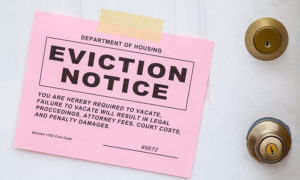 Worst-Case Scenario: Evicting Bad Tenants
Some landlords utilize a “cash for keys” agreement, paying their tenants in exchange for their compliance to move out. If a tenant refuses to leave, though, you always have the option of evicting them. There are also other reasons to initiate an eviction, such as a tenant harassing the landlord, a tenant partaking in illegal acts, or a tenant violating the lease. If you want to evict a tenant, you need to file eviction papers in court.
How to Get Rid of a Bad Tenant Through Eviction FAQs
How can I evict a tenant fast?
Most landlords want to get the eviction process done and over with, but it often takes a lot of time. The fastest route, though, is to strictly comply with state laws. This will minimize any errors along the way. You might also benefit from hiring an eviction lawyer.
Can a landlord kick you out without notice?
No, state laws require that landlords give their tenants sufficient notice of eviction. You should also send them hearing dates and court dates.
Can you evict a tenant for bad behavior?
Only if what you describe as “bad behavior” violates the terms of the lease. Otherwise, you can’t legally evict a tenant if you just find them rude or annoying.
Seek Professional Assistance
Bad tenants are a part of the rental property management game. Luckily, you can hire professional services to play the game for you. A property management company can help you with all the management tasks, including screening and dealing with your tenants.
Finding a good property management company doesn’t have to be hard with Rental Choice. Our online directory lists the best companies in your area.
RELATED ARTICLES:
- How To Find Tenants That Are Reliable And Trustworthy
- 5 Most Common Rental Lease Violations And How To Handle Them
- When Is It Right To Evict A Tenant?
 6. Screen Tenants
 Company