


Knowing how to resolve tenant complaints is a core responsibility for any HOA management company. When concerns are handled thoughtfully, communities run more smoothly and trust grows between residents, boards, and management. The goal is not just to fix problems, but to create an environment where people feel heard and respected.
In this article:
How to Resolve Tenant Complaints Starts With Listening
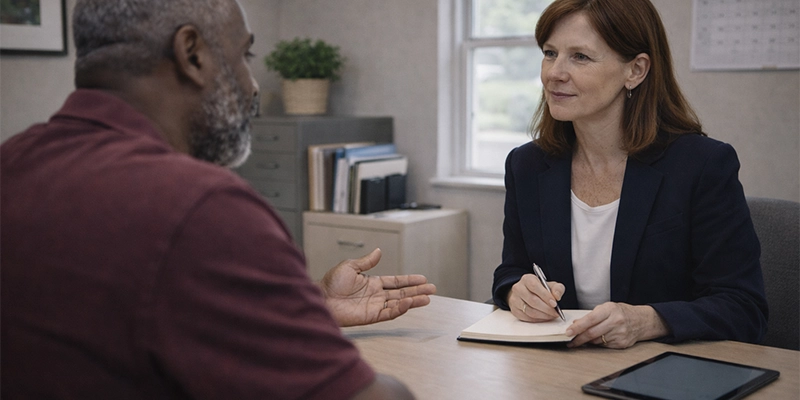
How to resolve tenant complaints often begins with something simple but powerful: Listening. Residents want to know that their concerns are being taken seriously, even when a solution is not immediate. A calm, attentive response can reduce frustration before it escalates.
Complaints should be received without interruption or assumptions. When residents feel rushed or dismissed, tension tends to grow. Allowing them to explain the issue fully sets a more cooperative tone from the start.
Clear documentation should follow each conversation. Notes help ensure accuracy and provide helpful context if the issue needs to be reviewed later. This step is especially useful when multiple parties are involved.
Setting Clear Expectations Early

Many complaints arise when expectations are unclear. Rules, policies, and procedures should be explained clearly to tenants at move-in and reinforced as needed. When residents understand what is and is not allowed, misunderstandings become less common.
HOA Management companies benefit from using consistent language across governing documents, welcome packets, and community notices. Conflicting messages can confuse residents and lead to unnecessary disputes. Consistency builds confidence in management decisions.
It also helps to explain how complaints are handled. When tenants know what to expect from the process, patience tends to improve. Transparency often prevents frustration.
Responding Promptly and Professionally
Timely responses matter. Even if a full solution is not available right away, acknowledging the complaint shows respect. Silence can make a minor issue feel much bigger than it needs to be.
Professional tone should always be maintained, regardless of how emotional a complaint may sound. Responses should focus on facts and next steps rather than opinions. This approach keeps conversations productive and on track.
In some cases, responses may need to be reviewed internally before being sent. While this may slow the process slightly, accuracy and clarity are worth the extra time. Residents tend to appreciate well-considered answers.
Investigating the Issue Fairly

Every complaint deserves a fair review. Assumptions should be avoided until all relevant information has been gathered. This may include speaking with other residents, reviewing security footage, or inspecting the property.
Neutrality is critical during this stage. When one side feels favored, trust can erode quickly. HOA Managers should focus on facts and governing documents rather than personal relationships.
Once the investigation is complete, findings should be shared clearly. Even when the outcome is not what the tenant hoped for, understanding the reasoning can ease disappointment.
Communicating Solutions Clearly
After a decision has been made, communication becomes key. Solutions should be explained in plain language without unnecessary jargon. Residents should know what action will be taken, who is responsible, and when it will happen.
If a complaint cannot be resolved exactly as requested, alternatives can be discussed. Compromise often helps both sides feel respected. The goal is progress, not perfection.
Follow-up communication is just as important. Checking in after a resolution shows accountability and reinforces trust. It also helps confirm that the issue has truly been addressed.
Handling Emotional or Repeated Complaints

Some complaints come with strong emotions attached. While this can be challenging, empathy goes a long way. Acknowledging feelings without agreeing or disagreeing with the complaint can help calm tense situations.
Repeated complaints should be reviewed carefully. Patterns may reveal underlying issues that need broader attention. What seems like one resident’s problem may point to a larger community concern.
Clear boundaries are also important. While residents deserve respect, abusive language or behavior should not be tolerated. Policies should support staff in maintaining professional interactions.
Using Policies as a Support Tool
Governing documents exist for a reason. They provide a framework for decision-making and help remove personal bias from complaint resolution. Referring to these documents can bring clarity to confusing situations.
Policies should be applied consistently. When rules are enforced unevenly, complaints tend to increase. Fair application builds credibility and reduces future disputes.
It can be helpful to review policies regularly. Communities evolve, and outdated rules may no longer serve residents well. Updates can prevent recurring complaints.
When to Escalate or Seek Legal Guidance

Not every complaint can be resolved internally. Some situations require board involvement or legal advice. Knowing when to escalate protects both the association and management company.
Legal guidance is especially important when complaints involve discrimination claims, safety concerns, or potential liability. Early consultation can prevent costly mistakes. It also ensures that actions align with state and Federal laws.
Clear documentation becomes especially valuable in these cases. Records help demonstrate that complaints were handled thoughtfully and in good faith.
Building a Culture That Reduces Complaints
The best way to resolve complaints is to prevent them when possible. Open communication, regular updates, and proactive maintenance all contribute to resident satisfaction. When people feel informed, they are less likely to assume the worst.
Community engagement also plays a role. Encouraging feedback through surveys or meetings allows concerns to surface early. Small issues can be addressed before they grow.
Over time, a reputation for fairness and responsiveness can take shape. Residents who trust management are more likely to approach issues calmly and cooperatively.
Turning Complaints Into Community Improvement
Learning how to resolve tenant complaints effectively is essential for long-term community success. Thoughtful communication, consistency, and empathy can turn difficult situations into opportunities to build trust. When handled well, complaints become a tool for improving the community rather than a source of conflict.
Are tenant complaints taking up too much time and creating tension in your community? Use our online directory to find an HOA management company that can help improve communication, resolve concerns professionally, and keep your community running smoothly.
Related Articles:
 Company