



Renting out a property can be a rewarding investment, but it comes with risks—one of the most common and challenging being tenant damages. Sooner or later, you’ll come across situations where a tenant leaves behind more than just memories.
Understanding Tenant Damages Property
When a tenant damages property, you will have to identify what’s normal wear and tear and what’s actual damage. Normal wear usually includes minor scuffs on walls, faded paint, or loose doorknobs. These occur naturally over time. Straight Edge Painting Pros, a painting company in Charlotte NC, recommends that even if you think the paint looks okay after a tenet leaves you should repaint.
On the other hand, tenant damages are either made intentionally or due to negligence. They usually lead to the following:
Structural Damage
Don’t be surprised when renters leave structural damages to your property. Some examples of this are holes in your walls, broken windows, or damaged flooring. Structural damage greatly affects your rental property’s value. As a landlord, you need to make sure to do repairs immediately.
Appliance Destruction
If your rental property comes furnished, it’ll probably come with appliances like refrigerators, ovens and stoves, or washing machines. Sometimes, renters ar careless when using these appliances. If this happens, you may have to shell out some funds for costly replacements or repairs.
 Plumbing Issues
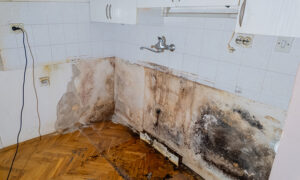
Plumbing issues caused by tenants are usually overlooked. However, if you have clogged pipes or severe leaks, it can result in more damage if you leave it alone. Even with tenant insurance, water damage can still become costly.
Unapproved Modifications
Sometimes, renters like decorating the space. This is okay if they receive permission. Although, sometimes, tenants do it without asking for permission.
Modifications and alterations to a rental usually go against lease agreements. On the side of the landlord, it’ll cost them more money to have the home repaired.
Pest Infestations
Yes, irresponsible renters can cause pest infestations. If tenants leave food or trash everywhere, pests can easily enter your property and infest it. When this happens, you, as a landlord, will have to do more than just repairs. You will also need to hire pest control experts to get rid of the problem entirely, adding more expenses.
What Are a Landlord’s Rights If a Tenant Damages Property?
Landlords have several legal rights when a tenant damages property. What rights you will have varies per state. Some of the most common ones include the following:
Deducting from the Security Deposit
Recouping the money for repairs from the security deposit is the most straightforward way for landlords to handle repairs. While you do have the right to do this, make sure to stay transparent since most states require this. To do this, you should provide an itemized list of deductions.
Seeking Additional Compensation
Sometimes, the security deposit is not enough to cover repair expenses. When that happens, you can require the renter to pay for the remaining costs. If they refuse, you may have to escalate and file a lawsuit in small claims court.
Eviction
In severe cases, intentional or repeated damages may justify eviction proceedings. However, this process should be approached carefully and by local regulations.
Steps to Take When a Tenant Damages Property
Acting quickly and methodically can make all the difference when discovering property damage. Here are some steps to take when this happens.
Document the Damage
In any possible grounds for dispute, such as renter damage, documentation is vital. Therefore, you should take photos or videos of the damage as soon as you find it. You should also add the time and date of when you took them, as well as detailed descriptions of the damaged areas.
It would also come in handy if you have images and videos of the property before a renter lived in it. It can serve as evidence that the damages weren’t there before your tenant moved in.
Review the Lease Agreement
Your lease agreement should outline tenant responsibilities and the consequences of damages. For example, if the lease explicitly prohibits specific actions (e.g., drilling holes in walls), you can hold the tenant accountable for violations.
 Communicate with the Tenant
Before jumping to conclusions, discuss the issue with your tenant. Sometimes, damage is accidental, and the tenant may agree to cover repair costs. Maintain a professional tone and avoid making accusations during initial discussions.
Estimate Repair Costs
Get multiple quotes from contractors to determine repair expenses. An accurate estimate not only helps with deductions but also ensures you’re prepared if legal action becomes necessary.
Deduct Costs from the Security Deposit
Follow state laws when deducting repair costs from the security deposit. Most states require landlords to return the remaining deposit, along with an itemized list of deductions, within a specific timeframe (e.g., 21–30 days).
Consider Legal Action for Excessive Damages
You may need to take the tenant to small claims court if the damages exceed the deposit. Ensure you have all necessary documentation, including photos, repair estimates, and the lease agreement.
Can You Go to Jail for Damaging Rental Property?
The question of whether tenants can face jail time for damaging rental property depends on the extent and intent of the damage. Criminal charges may apply in cases of intentional destruction, such as vandalism. However, accidental damages are typically resolved through civil means rather than criminal prosecution. Landlords should report severe cases to law enforcement if they believe the damage was deliberate.
Does Landlord Insurance Cover Tenant Damage?
Landlord insurance often includes coverage for tenant damage, but the specifics vary between policies. Standard landlord insurance policies typically cover:
Accidental Damage
Repairs for unexpected incidents, like a tenant accidentally breaking a window, are often included in landlord insurance policies.
 Vandalism
Coverage for deliberate property damage caused by a tenant or others is generally included, although some policies may require a police report.
Loss of Rental Income
Compensation for lost rent, while the property undergoes repairs, can be a valuable feature of landlord insurance policies.
It’s essential to read your policy carefully and confirm what is covered. Additionally, some policies may require you to file a police report for certain claims, such as vandalism.
Wrapping Up: Protecting Your Investment
Dealing with tenant damage is an inevitable part of being a landlord, but understanding your rights and following the proper steps can make the process manageable. By staying informed and being hands on, you can protect your property and investment from unnecessary harm.
Do you need a property management company to help with tenant rental damage and recovering costs? Check out our online directory to find one today!
RELATED ARTICLES:
 Company