


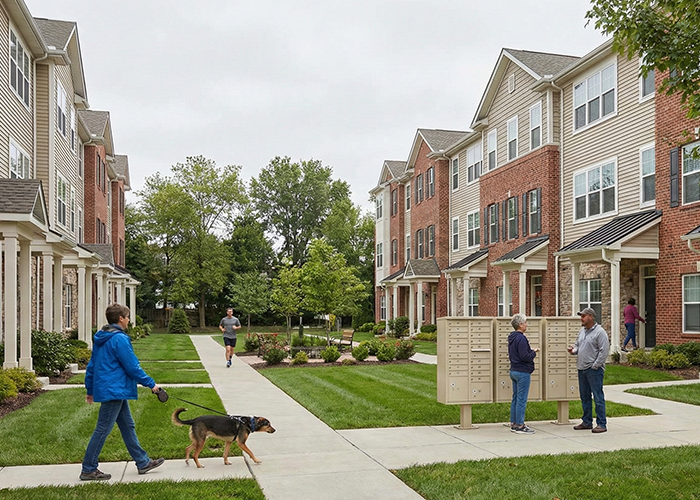
Life in a homeowners’ association can feel simple until a rental enters the picture. Tenant Rules in HOA communities exist to protect property values, reduce neighbour conflicts, and keep shared spaces running smoothly.
In this article:
Tenant Rules in HOA Basics
Tenant Rules in HOA communities usually come from the same place as owner rules: the governing documents and board-adopted policies. Most of the time, the HOA’s CC&Rs set the foundation, while separate rules and guidelines cover day-to-day expectations.
A key point often gets missed early. The lease may be private, but the community standards are not, so renters can be required to follow HOA rules even though they are not members of the association.
Tenant Rules in HOA settings can also shift over time. Updates may happen when rental numbers rise, parking becomes tight, or maintenance complaints start to pile up.
Why HOAs Care
From the board’s perspective, consistency matters more than who lives in the home. A homeowners’ association tenant still uses common areas, creates noise, parks vehicles, and impacts neighbours the same way an owner does.
Rentals can also introduce turnover. That can lead to more questions about trash schedules, pool access, and where guests can park, so rules get tightened to reduce friction.
Insurance and liability concerns also play a role. Pools, gyms, dog runs, and shared sidewalks all carry risk, and tenant regulations often focus on keeping those spaces safe and predictable.
Lease Terms That Matter
Many associations regulate leasing before they regulate behaviour. Limits can show up as caps on the number of rentals, minimum lease lengths, or requirements to submit a copy of the lease to the HOA.
Approval steps are common in some communities. An application, a background screening, or a move-in orientation may be required before keys change hands, especially in condos with shared entrances and elevators.
A few common leasing-related rules show up again and again:
- Minimum lease term requirements, such as six or twelve months
- Limits on short-term rentals and “hotel-style” stays
- Required lease clauses that bind tenants to HOA rules
- Move-in procedures, deposits, and elevator reservations in multi-unit buildings
Clear language in the lease helps prevent surprises later. A quick review by the owner before signing can save weeks of back-and-forth once the tenant has already moved in.
Daily Conduct Standards

Noise, pets, and guests tend to create the most conflict, so many communities focus Tenant Rules in HOA policies in these areas. Quiet hours can be enforced, and repeated complaints may trigger fines that the owner ends up paying.
Pet policies often include leash rules, waste cleanup rules, and limits on breeds or sizes where allowed by law. Guest rules can cover pool wristbands, gate codes, and how long visitors can stay overnight.
Smoking rules are another common flash point. Some HOAs restrict smoking in common areas, patios, balconies, or near doors and windows where smoke drifts into neighbouring units.
Parking and Common Areas
Parking is where small issues become daily problems. Assigned spots, guest parking limits, street parking restrictions, and vehicle types are often spelled out in detail, especially in tighter communities.
Common areas usually come with access rules and etiquette rules. Pool capacity, hours, guest limits, and age rules may be posted, and violations can lead to lost privileges for the unit.
Storage and clutter rules tend to be strict in shared spaces. Hallways, stairwells, balconies, and patios can be regulated to keep exits clear and maintain a consistent look.
Exterior Upkeep Expectations

Exterior appearance is where renters often get caught off guard, especially in townhomes or single-family HOA neighbourhoods. Even when a tenant does not own the home, the unit can still be cited for things like mildew on siding, algae on walkways, or oil stains on driveways.
That’s also where pressure washing fits into the conversation in a practical way. A simple cleaning plan can prevent repeated notices and help the property look cared for, which keeps neighbours happier and reduces board follow-up.
A few upkeep habits usually help renters and owners stay ahead of problems:
- Regularly clearing leaves from walkways and drains
- Reporting gutter overflow, leaks, or staining early
- Avoiding harsh chemicals that can damage painted surfaces
- Scheduling periodic exterior cleaning when buildup becomes visible
Sometimes the owner handles this work, and sometimes it is assigned in the lease. Either way, the HOA typically cares about the outcome, not who booked the service.
Enforcement and Fines
Enforcement usually follows a process. A notice is sent, a cure period is provided, and fines may follow if the issue is not resolved.
Some associations hold the owner responsible for every violation tied to the unit. That means a renter’s noise issue, trash issue, or parking issue can still become the owner’s financial problem, which is why good screening and clear lease language matter.
Repeated violations can lead to stronger actions in some communities, such as suspended amenity access. In extreme cases, legal action may also be available to the association, depending on the documents and local law.
Working With Management

The smoothest rentals happen when expectations are shared early. A simple move-in packet that includes parking maps, trash days, pool rules, and contact info prevents many first-month violations.
Communication style matters too. Quick updates from the tenant to the owner, and from the owner to the management company, can stop a minor issue from turning into a formal violation.
Tenant Rules in HOA communities work best when they feel predictable. When rules are easy to find and consistently enforced, renters are more likely to follow them and neighbours are less likely to feel ignored.
Staying in Good Standing
Tenant Rules in HOA living can feel strict at first, but most are aimed at keeping the community clean, calm, and safe. A clear lease, early education, and steady upkeep usually prevent the headaches that turn simple living into constant notices.
Related Articles:
 Company