


Homeowners association security should not be taken for granted. To keep your entire community safe, here are five crucial HOA security mistakes to watch out for.
Why is HOA Security Important?
Security is one of the major reasons why people choose to live in an HOA community. However, living in a gated, secluded enclave doesn’t automatically guarantee that homeowners will be safe. Crime can happen anywhere and at any time. As such, HOAs must take the necessary steps to protect the safety of each member of the community.
Is HOA Responsible for Security?
HOAs are not legally responsible for preventing criminal acts of third parties that take place in homeowners’ private properties. The main purpose of an association is to preserve property values by maintaining common assets such as clubhouses, swimming pools, gyms, sidewalks, roads, parking lots, and entry gates.
However, there are certain instances where an HOA could be held liable for personal injury, damage, or loss. For example, it is the responsibility of the HOA to replace the lightbulbs in common areas like the parking area. If a homeowner is held-up because the area was dimly lit, he/she could use that to file a lawsuit and seek damages from the HOA.
To determine the extent of the HOA’s liability, check your Declaration of Covenants, Conditions, and Restrictions (CC&Rs). If there are HOA security responsibilities, the association must ensure that they are being met.
In addition, have an attorney look through your governing documents. You want to avoid statements that homeowners can interpret as guarantees of security. It’s also important to issue a security disclaimer to protect the HOA from liability in case of criminal acts by third parties.
What Security Protocols Should HOA Implement?
Even though the HOA is not responsible for homeowners’ safety, that doesn’t mean that the board cannot take reasonable steps to protect the safety and welfare of the entire community. Using the HOA’s pooled resources, board members can implement security measures such as ensuring proper lighting in parking areas, as well as installing security cameras in common areas.
Security cameras in an HOA are very common. Depending on your governing documents, the association may not need approval or consent to install HOA security cameras in common areas. However, they should not be installed in areas where there is a “reasonable expectation of privacy” such as bathrooms, locker rooms, and areas that point towards private property.
To avoid violation of privacy claims from homeowners, it’s important to have an HOA security camera policy in place. The policy should cover who has access to the footage, where the footage is kept, and how long the footage is kept before being destroyed. It’s also better to inform homeowners of such measures and ensure that there are proper signs throughout the common areas.
5 Critical HOA Security Mistakes to Avoid
Apart from implementing security measures such as an HOA video surveillance policy or enlisting HOA security services, here are crucial security mistakes that HOAs should avoid at all costs.
1. Not Conducting a Security Assessment
An HOA security assessment is essential in identifying potential safety risks and hazards in a community. Without it, the association will be vulnerable and exposed. If you haven’t already, it’s time to schedule a security assessment. A security assessment should be done at least once a year but HOAs in high-crime-rate areas may want to have it more frequently.
With a security assessment, professionals will come in to assess the current security level of the HOA. The in-depth analysis will identify critical areas that need prompt attention, as well as make recommendations that will keep the community safe and secure. The licensed security analysis will work together with the board to choose vendors, such as HOA security companies, that match the association’s financial capabilities
2. Implementing the Wrong Security Measures
Some communities might be fine with security cameras while others might need security guards. HOA security measures should be tailored to each community. Don’t just copy what others are doing. Otherwise, you might end up implementing the wrong security measures. Make sure that you choose measures that properly address the security gaps in your community.
In addition, associations should not scrimp on security measures. Choosing the lowest bid might seem better for your finances today but it could end up hurting you more in the long run. For example, if you choose a less competent security company, their lapses could lead to expensive losses or damage to the HOA. Don’t even think of installing dummy security cameras. The HOA will likely be liable if something bad happens.
3. Forgetting to Foster a Relationship with Local Police
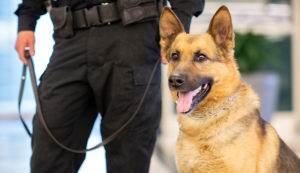 It’s important to develop a strong relationship with your local police department. You don’t want your only contact with them to be when there is an incident or emergency. Make sure to reach out before you even need to make that call. You can invite your assigned community liaison officer to HOA meetings and social events. Meeting your contact person makes it much easier to create a close relationship. Another way to foster the relationship is to support police events. The HOA can establish goodwill by offering its services during events or donating to its cause.
HOAs should also remember not to abuse this personal relationship. Only contact the local police when absolutely necessary. For example, the HOA is more than capable of handling noise or speed complaints. If you contact the police for every infraction, they may not feel compelled to respond with urgency. This could be fatal in case there is a real emergency.
4. Failing to Involve the Community
Many board members fail to see the important role that homeowners play when it comes to improving HOA security. By creating a sense of community, HOAs can make it harder for outsiders to commit crimes or illegal activities. Promote events where homeowners can get to know their neighbors. That way, homeowners will be able to tell if there are suspicious persons loitering inside the community. You can even set up a neighborhood watch program to enhance HOA security.
The HOA can also host events and materials that educate homeowners on HOA security. Invite professionals that can teach them best practices and tips to keep their private property safe. For example, it’s a good practice to inform your neighbors if you are going out of town. If they see anything suspicious while you are away, they can immediately contact security or the police.
5. Not Utilizing Landscape Design to Improve Security
Safety equipment such as security cameras and door access controls are effective but also very expensive. Good landscape design can help enhance HOA security without breaking the bank. Greenery such as thorny shrubs can act as physical deterrents. You can install them in critical areas to limit unauthorized entry into your community.
Regular landscape maintenance is also crucial in deterring criminal activity. Criminals can use overgrown foliage to hide and wait for their victims. As such, make sure to trim shrubs and trees so that homeowners always have a clear view of their neighborhood. Trees should likewise be trimmed so that they do not obscure security cameras and important safety signs.
Avoiding HOA Security Mistakes is in the Best Interest of the Community
The HOA may not be legally responsible for homeowners’ safety but it’s in their best interest to ensure that the community is safe and secure. HOA security is a complex matter that deserves your full attention. Board members must take the necessary steps — such as having an annual security assessment and fostering a good relationship with local enforcement — to create a safe
Need help with HOA security? Feel free to browse the Rental Choice online directory to find the best management company in your area!
RELATED ARTICLES:
- 10 Best States To Invest In Real Estate In The U.S.
- 11 Reasons To Hire A Rental Property Management Company
- Property Management Fees 101: How Are Charges Determined?
 4. Add an Alarm System
 Company