


Fair Housing Violations Landlords Should Steer Clear Of

The Fair Housing Act exists to eliminate discrimination when it comes to housing accessibility. It applies to housing providers, including landlords and property managers. What fair housing violations should you be aware of? Let’s find out.


What is the Fair Housing Act?

The Federal Fair Housing Act (FHA) protects people from discrimination regarding the sale, rental, or financing of housing. Lenders, sellers, landlords, and other housing-related service providers cannot discriminate against a person based on the following characteristics:

  • National Origin
  • Color
  • Race
  • Religion
  • Disability
  • Familial Status
  • Sex, sexual orientation, and gender identity

Some states have versions of the Fair Housing Act in addition to the federal law. State versions might include additional protections or elaborate on certain provisions.

 

Common Fair Housing Violations to Watch Out For

Landlords often set rules for tenants and applicants to prevent property damage and foster a peaceful living environment. Some of these include pet rules and tenant screening requirements. While these seem harmless policies, landlords may accidentally commit fair housing violations while implementing them. Here are some examples of housing discrimination to avoid.


1. Property Advertisement

What is an example of a fair housing violation? One of the most common examples involves property advertisement. Every landlord wants an effective ad to market their rental property. However, they have to be careful about the type of ad they put out. Certain ads might inadvertently discriminate against people of different classes.

For example, an ad might say, “This is a Christian home.” Even if Christian people make up a majority of the locals, the ad discriminates against others with a different religion. Another example would be an ad stating the property is only open to English-speaking individuals. While the landlord might not be good at speaking other languages, they should still be open to people of different national origins.


2. Discriminatory Tenant Screening Questions

Can a landlord refuse to rent to someone based on tenant screening results? Yes, they can — but only for the right reasons. For example, landlords are generally allowed to reject applicants with multiple evictions. They may also deny someone who does not have a good enough credit score.

On the other hand, landlords must craft screening questions that cannot be mistaken for discrimination. Both the application form and interview should be free of discriminatory remarks. For example, the landlord might ask whether an applicant is retiring soon. Age is a protected class under the FHA, so the landlord should avoid asking this question.

Landlords typically do not intentionally commit fair housing violations. Often, their questions arise from genuine curiosity or hospitality. For instance, a landlord might want a friendly conversation and ask about an upcoming wedding. They might also ask how many children a person has. Though they seem innocent, questions like these may be considered discrimination as they touch on familial status.


3. Refusing Reasonable Accommodations

People with disabilities are protected under the FHA. Thus, it is considered a Fair Housing Act violation if a landlord refuses an applicant because of their service animal. Inconvenient as it may be, landlords must make reasonable accommodations for service animals and people with disabilities. Otherwise, they could be held liable for discrimination.


4. Denying Tenancy Based on Certain Characteristics

Fair Housing Law violations naturally include discrimination against tenants and applicants based on specific characteristics. They cannot refuse to rent or lie about housing availability for someone because of their protected class. Additionally, because of those characteristics, they cannot provide different facilities, services, terms, rent prices, or privileges.

These also apply to evictions. Landlords cannot evict a tenant or their guest simply because they might not be white or straight. As a rule of thumb, landlords must treat everyone equally regardless of these characteristics. The only factors to consider should be those relevant to the tenancy, such as employment, income, eviction, or criminal history.


5. Neighborhood, Building, or Section Assignments

Landlords may own multiple properties within a neighborhood or building. While they can generally do what they want with the property, they cannot assign people to specific units or sections of a neighborhood because of their race, gender, and other protected characteristics. For instance, landlords cannot assign tenants to one side of the building because of their race.


6. Retaliation for FHA Complaint or Investigation

Tenants and applicants may report fair housing violations or assist with fair housing investigations. When this happens, landlords may be tempted to retaliate against those tenants and applicants. They might delay maintenance or impose stricter rules against the tenant. However, this is a big no-no because it is also considered a violation.


7. Maintenance Request Bias

Landlords cannot discriminate against maintenance requests based on certain characteristics. For example, a landlord might have certain prejudices against tenants with pets. Denying a maintenance request or delaying it because of their bias is illegal. Likewise, they cannot show favoritism toward people of certain races, national origins, religions, or other characteristics.


Penalties for Fair Housing Violations

Penalties for Fair Housing ViolationsHUD housing violations carry civil penalties. First-time offenders will incur a maximum $21,663 penalty. As you might expect, succeeding Fair Housing Act violation penalties are steeper. If someone violates the FHA again within five years, the maximum penalty they might pay is $54,157. Those with more than two violations within seven years can expect to pay a maximum fee of $108,315. On top of these fines, landlords may need to pay the following penalties:

  • Punitive damages if the intent is discovered to be willful or malicious
  • Compensatory damages for the tenant, including out-of-pocket expenses they incur to look for alternative housing
  • Non-economic damages awarded for mental anguish, psychological injuries, and humiliation

In addition, the court may issue injunctions if needed to stop irreparable and immediate harm. The HUD also keeps these charges publicly available, which might harm the landlord’s reputation and prospects.


Avoid Fair Housing Violations

Landlords have a right to set rules and deny applicants who do not meet their criteria. However, they must be careful not to make any fair housing violations. As a landlord, you must review federal and state fair housing laws to ensure you remain compliant.

Do you need professional help with FHA compliance? Hire a property management company today through our online directory!


RELATED ARTICLES:


Is It Time To Hire A Landlord Tenant Attorney?

A landlord tenant attorney can help with a variety of legal issues related to landlords’ and tenants’ rights. But, how can landlords and tenants know whether it is time to hire professional legal help?


What Is a Landlord Tenant Attorney?

A landlord tenant attorney is an attorney who specializes in dealing with legal issues related to the rights and obligations of landlords and tenants. Because these attorneys are familiar with the various federal and state laws surrounding property management, landlords or tenants would be wise to call on them for help in case of a legal dispute. With their assistance, clients can save thousands of dollars in damages.

Here are the most common types of cases landlord tenant attorneys handle:

  • Disputes between landlords and tenants (usually when it comes to the rent, security deposits, and tenants’ rights)
  • Personal injury claims
  • Writing and reviewing lease agreements and their necessary addendums to ensure protection and compliance with the law
  • Evictions


For Tenants: When to Hire a Landlord Tenant Attorney

How do you know it is time to hire an attorney? For tenants, hiring an attorney is often necessary if you experience one or more of the following:


1. Your Landlord Has Failed to Make Needed Repairs

landlord tenant lawyerLandlord-tenant laws require landlords to perform necessary repairs and maintenance to keep a rental space habitable.


Your lease agreement may also include this important landlord obligation. But, if your landlord is not making these needed repairs, even after you have reminded them, there are a few courses of action you can take.

First, if your state allows it, you can withhold rent until your landlord fixes the problem. You can also choose to repair the issue yourself and deduct the cost of repairs from the rent you pay. Again, this is assuming your state laws allow this recourse.

If you want to take legal action, a lawyer is definitely necessary. But, even if you choose one of the options mentioned above, you will still likely need legal guidance from an experienced attorney. This way, you can ensure your remedies are carried out the right way.


2. You Have Been Injured or Become Sick

If a landlord’s lack of care results in an accident occurring on the rental property, a court may find them liable for injuries and damages. For instance, you might become ill because of mold growth that your landlord failed to address. You might also trip and fall due to a loose or damaged floorboard that your landlord didn’t fix.

Of course, if you decide to sue, you will need to prove your case in order to win. In such a situation, you will need the help of a landlord tenant attorney who handles personal injury cases with a specialization in premises liability.


3. You Are Being Discriminated Against

Discrimination claims are more common than you think, especially in the world of rental management. If you think your landlord is discriminating against you and, thus, has violated the Fair Housing Act, you will need legal counsel to recover damages or put a stop to the act. While the intent to discriminate will cement your case, there have been instances where a court has deemed a landlord liable even though they did not intend to discriminate against anyone.


4. Your Personal Property Has Been Damaged

Your landlord can’t be held liable for all incidents of personal property damage. But, if the damage occurred as a result of their maintenance failure, then you could ask your landlord to reimburse you. For example, your landlord might do a bad job of fixing the plumbing and end up flooding your apartment, destroying your belongings in the process.

If your landlord agrees to reimburse you after a simple talk, then there is no problem. But, if your landlord refuses, you can hire an attorney to help you seek compensation. Keep in mind that your renter’s insurance might cover personal property damage.


5. You Are Being Evicted (With or Without Proper Court Procedures)

Whether or not your landlord goes through proper court procedures, you can hire a lawyer to help you fight an eviction. If you believe, for instance, that your landlord is only evicting you as a way to retaliate against you, a lawyer can help you gather evidence and present your defense.

On the other hand, it is even easier to fight an eviction if your landlord doesn’t go through the proper channels. For example, if your landlord evicts you without notice (as required by state law), your lawyer can argue that the eviction doesn’t count. Most states also prohibit self-help evictions, which is when landlords change the locks on you or forcibly remove your belongings from the premises without a court order.


For Landlords: When to Hire a Landlord Tenant Attorney

Landlords can also benefit from hiring an attorney. If you are a landlord, a lawyer can help you perform the following:


landlord tenant lawyers

1. Prepare Lease Agreements

Most landlords don’t have the legal expertise to draft effective lease agreements. If you want your lease agreement to cover everything you need and remain in compliance with Fair Housing laws, then you will need a lawyer to create one for you. Alternatively, if you already have a lease agreement in place, a lawyer can review and revise it.


2. Defend Against Personal Injury Claims

As explained previously, tenants can grow ill or hurt themselves on the rental property. Whether or not it is the fault of the landlord, tenants can decide to sue for damages. Landlords, though, will need a proper and solid defense. To do that, you will need the help of an attorney to gather evidence and present your case.


3. Process Evictions

Evictions are typically time-consuming and arduous, as you need to adhere to state and local regulations to avoid liability. A lawyer, though, can help you carry out evictions more efficiently and effectively. A landlord and tenant lawyer already knows what documents to prepare and rules to follow to facilitate a smooth process.


How to Hire a Landlord Tenant Lawyer

If you’ve decided to seek legal counsel, here is a brief guide to hiring a lawyer.


1. Search Locally

There is a good chance your local area has several landlord tenant lawyers, especially if you live in a large city. But, the importance of refining your search to your location is so you can find a lawyer who is actually familiar with your local laws. If you can’t find one through a quick online search, try asking friends and family for recommendations. For landlords, it might also help to ask fellow landlords for referrals.


2. Conduct an Interview

Whether you’re a landlord or tenant, you’re going to want to hire a lawyer with experience. You can get to know your prospects by asking them questions through an interview. Ask them how long they have been practicing landlord-tenant law and whether they have experience in dealing with cases similar to yours.

This is also a good time to find out whether your personalities mesh well. No matter how good a lawyer is, you can’t work with them smoothly if your personalities and values clash.


3. Know Their Fees

Attorneys can use a number of ways to bill their clients, so it is imperative you find this out early on. Will your landlord tenant attorney charge you per hour or according to the service you get? It is also best to understand which services come with a fee and which ones don’t.

On average, a landlord tenant lawyer will charge $225 to $300 per hour. Most of them, though, offer free 30-minute consultations.


Understanding Attorneys’ Fees Clauses in Rental Agreements

Tenants should look at their lease agreement carefully, as some may include an attorneys’ fees clause. This clause essentially means you can get reimbursed for court costs and legal fees if you win a lawsuit against your landlord. With such a clause in your agreement, you will find it easier to look for an attorney who is willing to serve you. This is because they won’t have to worry about getting paid if they win the case.

Keep in mind, though, that attorneys’ fees clauses usually only apply to legal issues related to the lease agreement and its provisions. As such, discrimination and personal injury claims are not covered.


Alternatives for a Smaller Budget

Hiring a landlord tenant attorney is definitely not cheap. If your lease agreement doesn’t have an attorneys’ fees clause or if you simply can’t swing the fee, here are some more affordable alternatives you can use.


tenant landlord lawyer1. Use an Online Tenant Landlord Lawyer Service
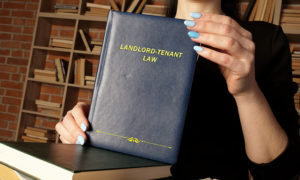
Some online directories connect you to a lawyer who will then answer any questions you have. If you only need advice and not someone to represent you in court, this is a good option. These services typically charge a small subscription fee, which is nothing compared to the usual price of hiring a lawyer.


2. Lawyers as Coaches

If you don’t need comprehensive legal services, you might find a landlord tenant attorney who will essentially act as your legal coach. They can give you advice and meet with you for an hour only when you need it. For such a service, you can typically negotiate to pay a lower rate than normal.


A Helping Hand

Legal issues arising out of landlord-tenant relationships all the time. From rent disputes to discrimination claims, chances are, you will need a landlord tenant attorney to help and represent you at one point or another.

Property management is a difficult undertaking, though you can find a company that can provide you with legal assistance or connects you with an experienced lawyer to make things easier. Start your search for a property management company today with the help of Rental Choice’s online directory.


RELATED ARTICLES:


Your Guide On How To Evict A Tenant

While landlords can hope for model tenants who do no wrong, the unfortunate truth is that bad tenants do exist. In certain situations, you have no other option but to turn to eviction. Here is your guide on how to evict a tenant the right way.


How to Evict a Tenant in Five Easy Steps

When you run into a problem with your tenant, you would ideally work it out and come to a solution by communicating with them. Sometimes, though, tenants just won’t respond to a congenial approach. In that case, you may have no choice but to initiate eviction proceedings.

If you want to know how to evict a tenant quickly and legally, follow the steps below.


Step One: Know Your Eviction Laws

can I evict a tenant nowThe first thing you need to do is to familiarize yourself with the eviction laws in your area. The law can vary from state to state and even city to city. As such, there is no blanket solution that will universally apply to landlords across the country.

Still, it is imperative that you know how the eviction laws work in your locale. You should also take the law into account when creating your lease agreement. Because the law can be difficult to navigate, it is a good idea to hire an attorney to help you with your eviction proceedings.


Step Two: Identify Your Cause

When can a landlord evict a tenant? This is a question that many landlords ask. Is it acceptable to evict a tenant without cause? Can I evict a tenant who threatens me? Let’s examine the possible causes for eviction.

Generally, here are the most common reasons to evict a tenant:

  • Nonpayment of rent
  • Violation of lease terms and conditions
  • Damage to the property
  • Engaging in illicit activities
  • Harassment (feeling threatened or unsafe)
  • Lease expiry

Remember that you need evidence to support your cause of eviction. Thus, it is important to document everything, including all communications between you and your tenant.


Step Three: Send a Notice to Terminate

Now that you have identified a valid cause for eviction, it is time to send a notice of termination. While notices can change in format, they should generally include the date by which your tenant must move out and any monetary amounts the tenant owes. You will also need to send this notice via certified mail so that you have proof that the tenant has received it.

Additionally, you will need to check your eviction laws to see how many days your tenant has to remedy the problem before you file the eviction with a court. For instance, in California, the law requires that you provide a three-day notice to pay rent prior to filing the eviction case.

If you want to terminate a tenancy, there are three types of notices you can use:

  • Pay or Quit. This is the one you use for nonpayment of rent. In most states, tenants have 3 to 5 days to pay their rent or move out.
  • Cure or Quit. This is the one you use if a tenant has violated a term of your lease (for example: bringing a pet when it is not allowed on the property). If the tenant fails to “cure” or fix the problem, an eviction lawsuit will follow.
  • Unconditional Quit. This notice gives the tenant no chance to remedy the issue and, instead, goes straight to eviction. Not all states allow landlords to use this notice immediately, while others give certain conditions wherein the use of this notice is acceptable. A common example would be if the tenant has engaged in illegal acts such as dealing drugs on the premises.


Step Four: File the Eviction

Now comes the time to file the eviction. You will usually need to go to your local courthouse to file your suit. There, you will need to pay a fee before obtaining a hearing date. The clerk may also ask you to show proof that your tenant has received a notice of termination and that you followed eviction laws on time provisions. The court will then send your tenant a summons to attend the hearing.


Step Five: Attend the Court Hearing

Lastly, you will need to prepare for and attend the court hearing. This is when you will have to show evidence supporting your eviction claim. Remember to bring the following documents to your court hearing:

  • The original copy of your signed lease agreement
  • All payment records
  • Written records of communication between you and your tenant
  • Any bounced checks or payments
  • A copy of the written eviction notice you sent to your tenant
  • Proof that your tenant received the eviction notice at the appropriate time (usually a receipt from USPS with the tenant’s signature)

If the court rules in your favor, the judge will then give your tenant a specified amount of time to move out of the premises. This depends on local laws, though it usually falls between 48 hours to a week.

Sometimes, stubborn or resentful tenants will refuse to leave even after a court has ordered the eviction. In that case, you should not take matters into your own hands. Do not change the locks or remove your tenant’s belongings from the premises. The legal way is to ask local authorities for help. They will be the ones to escort the tenant from the premises and remove their belongings.


Collecting Unpaid Rent After Eviction

Sometimes, you will have a tenant with unpaid rent even after you have evicted them. If you want to collect that sum, you will need to go through small claims court. As with your eviction proceedings, it is best to hire a lawyer to prepare your small claims lawsuit. If you win the case, a judge may grant you compensation by ordering the tenant’s employer to garnish wages to pay the outstanding rent.


How Long Does It Take to Evict a Tenant?

Not all states have the same eviction procedures. Thus, the length of time it will take to evict your tenant will depend on where the property is located. In states with the fastest eviction proceedings, it can take as little as two weeks. In states with longer eviction proceedings, though, it can take as long as three months or more.


How to Evict a Tenant Without a Lease

when can a landlord evict a tenantIs it possible to evict a tenant even if neither of you signed a lease agreement? The short answer is yes.

In most states, it is understood that you and your tenant entered an oral agreement. You can then treat this as a month-to-month lease, where the eviction process stays relatively the same. The only difference, though, is that you can terminate the lease at the end of any month even without a cause. But, you will still need to provide your tenant with a notice of termination.

To avoid complications, it is best to have a written and signed lease agreement when you allow anyone to stay in a property you own. This applies even to friends or relatives.


How Much Does It Cost to Evict a Tenant?

There are a handful of fees involved when you decide to evict a tenant. Between court fees, attorney fees, and sheriff costs, evicting someone does not come cheap. You will also need to factor in the cost of unpaid rent, the cost of repairs, and miscellaneous fees. All in all, you should expect to pay somewhere between $4,000 to $7,000.


COVID-19 Pandemic: Can I Evict a Tenant Now?

The COVID-19 pandemic prompted many governments (including federal and state governments) to put a hold on evicting tenants. As restrictions start to relax with the introduction of vaccines, there is no longer a CDC ban on evictions. But, the orders can still vary from state to state, even city to city. Therefore, it is best to check your local laws first or consult an attorney before commencing eviction proceedings.


A Helping Hand

Not many landlords know how to evict a tenant the legal way. Hopefully, through this guide, you now know the proper procedures for evictions and what requirements you must follow. Even with this handy guide, though, some landlords simply have no time or interest in managing their rental properties.

This is where Rental Choice comes in. Start looking for a property management company today using our online directory. With professional help, landlords will no longer need to worry about their duties, including evictions.


RELATED ARTICLES:


7 Renters Rights Every Tenant Should Know

Property managers and landlords must always remain aware of the various renters rights they must respect. In doing so, they can stay compliant and prevent liability. But, what are these renters rights anyway?


What Are Renters Rights?

Renters rights, also known as tenants rights, are laws that protect renters from discrimination and unfair practices. These rights also ensure that renters are not forced to live in dirty or unsafe places. Basically, these rights cover what landlords or property managers must do and can’t do. Should landlords or property managers infringe upon these rights, tenants have the option to pursue legal recourse.


The Most Important Tenants Rights to Know

It is imperative that property managers and landlords study up the different rights of renters. This way, you can prevent accusations of discrimination and unfair housing practices, thereby safeguarding yourself from potential liability. Additionally, upholding these rights will help you retain quality tenants and reduce turnover rates.

Here are seven tenants rights you must know about:


1. Right to a Habitable Home

Fair Housing | renters rightsTenants have a right to live in a habitable home. That means you should provide your tenants with a house or unit that they can reasonably and safely live in. If there are holes on the wall or large cracks on the floor, that is not a habitable home. The same goes for a lack of electricity or running water, poor wiring, and pest infestations. Basically, the place should be suitable enough to live in.

This also means that you must follow through with any needed repairs to maintain habitability. If the issue has to do with bad wiring, hire an electrician to fix the problem. Should your tenant submit a complaint, make sure to respond to it as soon as possible. Then, address the complaint.

Some repairs, of course, don’t fall under the landlord or property manager’s responsibility. Minor problems such as broken window screens, dripping faucets, and malfunctioning light bulbs are usually the tenant’s responsibilities. Tenants should check their lease to see which items and repairs are included.

You might feel tempted to include a clause in your rental agreement that forces your tenant to waive this right. But, many states deem this practice unlawful.


2. Right to Fair Housing

Perhaps one of the most well-known renters rights is the right to fair housing. The federal Fair Housing Act forbids housing discrimination on the basis of a person’s color, national origin, race, disability, sex, familial status, and/or religion. This applies to both existing and prospective renters. The Americans With Disabilities Act provides similar protections to persons with disabilities.

If you advertise your listing and specifically exclude tenants of a certain religion, for instance, that is considered discrimination. Many states also have their own anti-discrimination or fair housing laws that extend the list of protected classes. California, for one, also prohibits discrimination based on citizenship or immigration status, source of income, sexual orientation, and gender identity or expression, among others.


3. Right to Privacy

Tenants also have a right to privacy, which means you can’t just enter their unit as you please, even if you own it. Of course, sometimes, you will need to enter the unit to perform repairs or inspections. In such cases, you will need to provide your tenant with reasonable notice prior to the entry (at least 24 hours before). You must also make sure to only conduct business during business hours. Emergency cases, though, require no notice.


4. Right Regarding the Security Deposit

More often than not, renters need to pay a security deposit after signing the lease. The landlord or property manager then returns this security deposit following the end of the lease. If there are any damages to the unit or home, deductions from the deposit will be made accordingly. The same applies when the tenant has any outstanding rent. If you intend to keep some of the deposit, make sure to provide your tenant with written documentation of the reason.

Keep in mind, though, that many states have laws that limit how much you can charge as a security deposit. There are also laws that require you to return the deposit within a specified amount of time after the lease term ends. Additionally, you can’t charge one renter a higher deposit than all others without reason. Though, the presence of a pet or other liabilities can warrant a higher deposit.


5. Rights Concerning Evictions

For fixed-term leases, landlords or property managers can’t evict tenants without cause or reason. Month-to-month leases, though, usually allow evictions without cause.

According to Landlord-Tenant Law, you can only evict tenants when they have violated the terms of your lease agreement. Typically, this involves nonpayment of rent, purposefully causing damage to the property, jeopardizing the safety of other tenants, and committing a crime. It also happens when tenants bring in pets or roommates without your permission.

At this point, you can terminate the tenancy by serving your tenant with an eviction notice. But, you must allow your tenant the opportunity to remedy their violation first. For example, if it has to do with nonpayment of rent, give them time to pay. Should your tenant fail to do so, you can then initiate eviction proceedings in court.

Rules on eviction state that tenants must receive notice of the eviction proceedings. They must also be allowed to appear in court as well as file an answer and explain themselves. If you win the case, your tenant must move out. Keep in mind that you can’t use self-help methods here. That means you can’t change the locks on the unit or throw out your tenant’s belongings. You must have the sheriff or sheriff’s deputy remove the tenant from the premises.


6. Right to Sue

Tenants possess the right to sue their landlords, which usually happens when disputes arise. For example, if your tenant requests that you fix the roof (which is leaking) but you fail to address or even respond to it, they have the option to submit a complaint with their city’s housing authority. You can then expect to receive a 60-day notice ordering you to remedy the situation. Should you still fail to comply, your tenant can pursue legal action.


7. Right to Controlled Rent Increases (In Some Places)

Rent Increase | tenants rightsIn places without rent control laws, you can essentially raise the rent by however much you like. But, that doesn’t mean you can do it anytime you want.
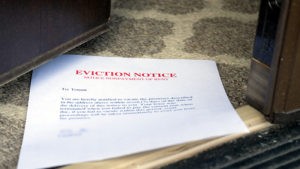
You must provide your tenant with sufficient notice, and the timing of the increase must be lawful. That means the increase should come when the lease term ends unless your lease specifies otherwise. Additionally, you can’t raise the rent in retaliation for something your tenant did.

Several cities, though, have rent control laws in place. If you operate a rent-controlled unit, you can only increase the rent by a certain percentage. This percentage differs from city to city. Moreover, you can only raise the rent once a year.


A Necessary Part of Property Management

Understanding renters rights is a critical step in becoming an effective property manager or landlord. Failure to familiarize yourself with these rights can result in a litany of offenses. Finally, keep in mind that even if you have an illegally converted unit, your tenant still reserves the same rights.

For landlords, keeping up with ever-changing laws can come as a challenge. This is why most landlords prefer to seek the help of a professional property management company. Start looking for the best one in your area today using our comprehensive online directory.


RELATED ARTICLES:


How To Analyze A Property Management Contract

It is crucial that landlords carefully review their property management contracts before signing them. In doing so, they can make sure they are not agreeing to unreasonable terms or hidden costs.


Understanding the Parts of a Property Management Contract

For a lot of property management companies, the contract simply represents another deal. It contains standard information that they would normally include in all of their agreements. But, for landlords, the property management contract is far more important. The contract outlines all of the details of the agreement between the two parties, including what the company is expected to do for the landlord.

It is important that all landlords understand what their property management contracts are saying. Apart from the basics, there are also clauses that may or may not hurt the landlord in the long run.

Here are the parts of a standard property management contract and what they mean.


1. Scope of Work

A property management agreement must detail, in clear terms, the scope of work. This should dictate what the property management company is specifically responsible for. The scope of work should, at the very least, include the following:

  • Services the property management company must provide each month
  • Details of the screening process, including how the company approves tenants (if the scope of work includes tenant screening)
  • Responsibility to collect rent as well as overdue rent
  • Maintenance and repair responsibilities
  • How maintenance and repairs will receive approval and funding
  • Reports the company must send to the property owner as well as how often they must be sent

Obviously, the more responsibilities a property management company has, the higher the fees. The opposite is also true. The scope of work will generally define how much a property owner needs to pay.


2. Owner Responsibilities

Even though property owners outsource most of their duties to a management company, there are still some responsibilities left for them to fulfill. The contract will also typically state what these responsibilities are.

A common obligation of the property owner is to create and maintain a reserve fund. Owners must deposit a certain amount of money into a separate bank account, which the property management company will use to fund maintenance and repairs. The reserve fund can also normally be used for emergencies.

Another common obligation of the property owner is to buy and maintain proper insurance. Owners should not expect the company to do this for them. It is generally the owner’s responsibility to pay for insurance, though owners can receive guidance from their company. The contract will detail the types of insurance required as well as the amount of coverage necessary.

Apart from what the owner must do, the contract may also cover what the owner is prohibited from doing. Common examples include finding tenants (if the company is responsible for tenant placement) and entering the property without notifying the property manager and tenant.


3. Fee Structure

Property management contracts are never complete without describing the fee structure. The contract should detail the different property management fees the owner must pay. This includes the monthly management fee as well as any other fees the company charges on the side. The agreement must also include cost estimates for man-hours, benefits, and the like.

Monthly management fees typically come in one of two forms. The first is fixed-rate or flat fee property management. This is when the company charges the owner a flat rate every month. The rate will usually depend on the size and type of the property as well as the nature of services provided.

The second is fees collected as a percentage of rent. This is when the company collects a percentage of the monthly rent as their management fee. The percentage can vary from one company to another, though the general range is between 8% and 12%. Landlords should make sure that the percentage is based on rent collected instead of rent due. Otherwise, they will be paying the company a fee even when they fail to collect any rent from the tenant.


4. Duration, Renewal, and Termination

The terms of a property management contract should indicate the duration of the agreement. It should have a beginning and an end date. There must also be renewal provisions, which should tell the owner how they can renew the contract if they want to.

Keep in mind that some contracts do contain an auto-renewal clause. This means that the agreement will automatically renew for another set number of years if the property owner does not cancel the contract within the required time period.

Speaking of cancellations, the contract must also indicate how each party can terminate the contract. This includes any terminations made early (i.e. before the contract expiry). Termination clauses should include the following:

  • Notice to Terminate. How much notice must each party provide the other before terminating the contract? Typically, this plays between 30 and 90 days.
  • Reason to Terminate. Owners should make sure to enter a contract that does not require them to provide a cause to terminate the contract early.
  • Early Termination Fee. Generally, a company will charge the owner a fee if the latter opts to end the contract before its expiry. This fee can vary from one company to another. Some companies charge a fixed termination fee. Meanwhile, others will charge the owner the total cost of the monthly management fee for the remaining months in the contract.
  • Obligations After Termination. The contract should outline the list of obligations the property management company must perform and how long they have to complete each obligation upon contract termination. This includes turning over all related bank accounts to the owner and sending the owner the original copies of all tenants’ leases.


5. Liability and Indemnification

All contracts will have a section that addresses what the management company can and cannot be liable for. The objective behind this is to set limits and eliminate misunderstandings in the long term. Typically, a contract will be broader and more comprehensive in terms of what the property management company requires the property owner to indemnify them from.


What Does Indemnification Mean?

Indemnify means to compensate for a loss or damage or to provide security for financial reimbursement to an individual in case of any particular loss incurred by the person. Indemnification is essential in contracts because it is one of the fundamental legal theories that protect the parties.

A comprehensive example of a property management contract indemnification clause is outlined below. Please note that it is not wise to apply this direct text to your particular agreement. It only serves as an example of what types of elements appear in an indemnification clause.


Example of an Indemnification Clause

“Liability and Indemnification:

1. The broker is not responsible or liable in any manner for personal injury to any person or for loss or damage to any person’s real or personal property resulting from any act or omission not caused by Broker’s negligence, including but not limited to injuries or damages caused by:

    1. Other brokers, their associates, inspectors, appraisers, and contractors who are authorized to access the property;
    2. Acts of third parties (for example, vandalism, theft, or other criminal acts);
    3. Freezing or leaking water pipes;
    4. A dangerous condition or environmental condition on the property; or
    5. The property’s non-compliance with any law or ordinance.

2. The broker is not responsible or liable in any manner for:

  • Any late fees or other charges Owner incurs to any creditor caused by late or insufficient payments by any tenant in the Property; or
    1. Damages to Owner caused by a tenant’s breach of the lease.

3. Owner agrees to protect, defend, indemnify, and hold Broker harmless from any damage, costs, attorney’s fees, and expenses that:

  • Are caused by Owner, negligently or otherwise;
    1. Arise from Owners failure to disclose any material or relevant information about the Property;
    2. Are caused by the Owner giving incorrect information to any person; or
    3. Are related to the management of the property and are not caused by Broker, negligently or otherwise.

4. Owner is responsible and liable for all contracts and obligations related to the Property (for example, maintenance, service, repair and utility agreements) entered into before or during this Agreement by Owner or by Broker under Broker’s authority under this agreement. The owner agrees to hold Broker harmless from all claims related to any such contracts.”

Reasonable Care Clause

Even though the contract typically holds the property management company liable for its acts of negligence, they are not liable for the negligence acts of those whom they hire to work on their behalf. While it would be unreasonable to expect them to be responsible for all the actions of the third parties they hire, they need to at least be responsible if they hire someone with a history of bad work and should have performed more due diligence to disqualify the unqualified candidate.

To protect the property owner, it is a good idea to add a clause requiring “reasonable care,” such as:

  • “Agent may perform any of its duties through Owner’s or Agent’s attorneys, Agents, or employees and shall not be responsible for their acts, defaults or negligence if reasonable care has been exercised in their appointment and retention.”


Property Management Contract Boilerplate Items

The following are common clauses owners will find at the end of many contracts. Owners should understand what these clauses mean so that they can reference them later in the event of a dispute.


1. Entire Agreement

An Entire Agreement provision establishes that, regardless of what the owner talked about with the management company beforehand, this contract is the final version of the agreement and supersedes all prior written and oral proposals. A simple way to remember this is that the contract is confined to the four corners of the document.


2. Modification

The contract should clearly define how modifications work at the very start of the agreement. The modification clause will typically state that neither party can alter the contract unless both provide a written agreement amending it.


3. Assignments

Assignments are a grey area that many individuals do not understand. This is when a company reserves the power to transfer the contract to another company without the owner’s permission. It is always best to make sure the owner has a say before the company transfers the contract to another firm. Owners may also negotiate to remove assignments from the contractual agreement.


4. Timing

It is imperative to specify particular dates and times. It is also wise to write the date in both letters and numbers to avoid any misunderstandings in the future. Many jurisdictions have a statute of limitations, which defines how long an individual has to bring a court case. Make sure to have clear dates on your contracts to protect you from unnecessary lawsuits.

You also need to have clauses about timing in terms of the scope of your property management agreement. The following serves as an example:

  • “The property management company must provide the property owner with at least 30 days’ notice if they would like to terminate this Contractual Agreement…”


5. Governing Law; Venue

This clause determines which states’ laws will govern the interpretation of the contract and may also specify the country in which all disputes should be handled. Specifying the country and state is important since the laws vary depending on where the case is heard.


6. Severability

Severability is important to understand. At times, a certain clause of a contract can be invalid, but the rest of the contract can remain intact. Severability enables a clause or certain clauses of a contract to remain valid and enforceable even if a specific clause is determined to be unenforceable. This helps to promote efficiency in avoiding canceling entire contracts if only one clause needs to be canceled.


Final Thoughts

Knowledge of the parts and functions of a property management contract is critical to every rental property owner. Familiarity with the contract not only gives them the ability to negotiate better but can also protect their interests.

Many owners find it hard to manage their rental property alone. Find the best property management company today with the help of Rental Choice’s online directory.


RELATED ARTICLES:


How To Terminate A Property Management Contract

There will eventually come a time when owners will want to terminate a property management contract. And when that time comes, it is important to know just how to do it.


Want to Terminate a Property Management Contract? You’re Not Alone

Owners hire property management companies because they offer a lot of benefits. When an owner is too busy or ill-equipped to manage a rental property on their own, they generally turn to trained professionals. But, it is not entirely unheard of for owners to cut their management company loose. And this can happen for a number of possible reasons, such as:

  1. The owner is not satisfied with the quality of promised work and services their property manager is delivering. For example, the property manager does not respond to tenant concerns on time (or at all), does not address maintenance and repair issues, fails to screen tenants properly resulting in eviction, and/or fails to conduct routine property inspections.
  2. The property manager has breached Fair Housing laws, thereby exposing the owner to legal trouble.
  3. The property manager has misused tenant and owner funds.

Keep in mind, though, that termination usually requires just cause. The contract will typically detail why and when either party can cancel a property management agreement. As such, before terminating the contract, it is imperative to read through it carefully. Owners may also benefit from consulting a lawyer for advice.


How to Terminate a Property Management Agreement

There is more to ending a contract than simply serving the company with a firing notice. Given that contracts often have legally binding durations, terminating them before their expiry can be considered a breach of contract.

Here is how to go about property management contract termination the right way:


1. Check the Termination Clause

The first thing rental property owners must do is check the termination clause. This clause will detail what owners must do to end a property management contract, including any specific requirements owners must follow and any fees associated with cancellation.

To ensure the cancellation clause is fair, owners should review this section of the contract prior to signing. Some management companies will intentionally make it hard for owners to terminate the contract early. Other contracts have auto-renew clauses stating that the contract will automatically renew for another set number of years unless the owner cancels before a specified date.


2. Give Appropriate Notice

Property management contracts will normally spell out how much notice an owner must provide the company if they want to cancel. The notice requirement can vary from contract to contract, though most require between 30 and 90 days. It is best to follow this notice period to avoid a possible breach of contract. Companies will usually not honor a termination request if notice is not given within the set time period.

In addition to following the notice requirement, owners should also send the termination notice in writing via certified mail. In doing so, owners can make sure there is physical evidence of the notice. This acts as an audit trail in the event of a legal dispute. Even if an owner has already informed the company of their intention to cancel through the phone, sending a written notice is still the gold standard.

A notice period may seem troublesome to a few owners since it does not immediately cancel the contract. But, such notice periods exist to facilitate a smooth property management termination. If an owner is switching to another company, this notice period will also allow the current company to send all necessary information to the new company.


3. Get Ready to Pay

Owners must prepare to pay fees when they end a property management agreement. Cancellation fees are common among such contracts, though the exact dollar amount can vary. Some companies charge a flat rate or the equivalent of one month’s worth of management fees. If an owner cancels the contract early, a company may also charge the owner the rest of the management fees for the remaining months on the contract.

In addition to the standard termination fee, a company may also forward any unpaid invoices or work orders. Owners must prepare payments for these after they cancel their contract.


4. Make Sure the Company Notifies Tenants of the Change

When property management companies take over the duties of the landlord, they also assume the responsibility of communicating with tenants. This responsibility extends to notifying them of the change in management.

Owners must make sure the exiting property manager informs all tenants that they will no longer be the main contact person. If there is a new property management company involved, the notice should include the name of the new company as well as their contact details. This way, tenants will know who to call for problems and where to send their next rent payments. The notice should also include an effectivity date.


5. Obtain All Pertinent Records and Documents

The final step in the termination process is to request the company for all pertinent records and documents. This includes the original lease agreement with tenants, tenant application forms, copies of renters insurance, property condition reports and photos, maintenance records, financial reports, and HOA forms. Owners should also retrieve the keys from the property management company.


What Owners Should Do If the Company Terminates

Of course, termination can go both ways. Sometimes, instead of the owner, it is the firm that will want to cancel a property management contract. This may seem like an unlikely situation, but it does happen.

Here are some possible reasons why a company would want to terminate a property management contract with an owner:

  1. The owner refuses to purchase landlord insurance.
  2. There are possible health risks in the property that the owner cannot or refuses to address.
  3. There are safety risks in the property that the owner cannot or refuses to address.
  4. The owner does not want to fix maintenance issues.
  5. It is no longer possible to remain in compliance with local building and safety codes.
  6. The owner is rude to or mistreats staff members.
  7. The owner is not open to compromise and is generally unaccommodating.

When the company terminates the contract, what should an owner do? First of all, the owner should make sure the company is not breaching its own terms. They should have just cause to terminate and pay any applicable fees, too. Owners can consult an attorney for guidance.

The next likely step is to find another management company that will take over. Once the current company sends its termination notice, owners should start looking for a new firm. This way, there is enough time for the transition to take place.


The Final Word

At a glance, it might seem difficult to terminate a property management contract. But, with the right steps and careful consideration, owners can even cancel their contract early. They just need to have just cause and be prepared for the possible costs that come along with it.

On the lookout for a new property management company? Start your search today using Rental Choice’s comprehensive online directory.


RELATED ARTICLES:


Landlord Tenant Law: Learn This Before Renting Out A Property

Landlords and tenants are bound by contractual obligations, but they are also bound by certain laws. One of these is the Landlord Tenant Law.

What Is the Landlord Tenant Law?

Many people go into the rental property business because they think it is a good way to earn some money on the side. But, renting out a property takes a lot more work than it seems. Before becoming a landlord, it is important to understand the different laws that will apply to you.

The Landlord-Tenant Law is a common law that governs the renting out of properties, may they be commercial or residential in nature. It also consists of several state statutes. Many states used the Uniform Residential Landlord and Tenant Act (URLTA), created by the National Conference of Commissioners on Uniform State Laws, as a basis for enacting their Landlord Tenant laws.


Landlord Tenant Laws Explained

As a landlord, it is part of your responsibility to know the many Landlord Tenant rights under the law. Some of the most important ones include the right to quiet enjoyment, the right to reasonable privacy, the right to a habitable home, and the right to housing free from discrimination.


Quiet Enjoyment

All lease agreements are subject to the implied covenant of quiet enjoyment. According to this, tenants have a right to the peaceful enjoyment of their home without disturbance from the landlord. This includes construction or renovation efforts where the dust, noise, and debris effectively force a tenant out of the rental property.


Privacy

Tenants also have a right to a certain level of privacy within their leased dwelling. This means landlords can’t just barge into the unit unexpectedly and without notice. It also means landlords can’t install video surveillance cameras that interfere with a tenant’s privacy. Security cameras in common areas are permitted, but not within individual tenants’ homes.


Implied Warranty of Habitability

In most states, there is an implied warranty of habitability. This means landlords have an obligation to maintain livable conditions for the tenant. Usually, that involves complying with housing codes and ensuring the property is free from any safety hazards.

If a landlord violates this warranty, courts will normally allow landlords to remedy the situation. Out of three possible ways, the tenant can:

  • Withhold rent until the landlord makes repairs;
  • Withhold rent and use the money for repairs; or,
  • Sue the landlord for damages.


Discrimination

Under the federal Fair Housing Act, housing providers (including landlords) are prohibited from discriminating against tenants based on their race, color, national origin, sex, religion, familial status, or disability. According to this federal statute, landlords must treat all tenants equally and without bias. If a landlord refuses to rent to a tenant because of their race or religion, for instance, courts may find them in violation of the Fair Housing Act.

It is important to note that many states have their own versions of Fair Housing laws, too. Some of them even offer protection to extended protected classes. For example, in California, housing providers can’t discriminate based on sexual orientation and source of income.

If a tenant (or potential tenant) decides to pursue legal action, they would have the burden of proof. They must prove the following events transpired:

  • Plaintiff (tenant) is a member of a protected class, which the landlord was aware of or suspected
  • Plaintiff was qualified to rent the property and applied for it
  • Defendant (landlord) denied the plaintiff’s application
  • The property stayed unoccupied following the rejection


State Laws Governing Security Deposits

Asking for a security deposit is standard protocol for most landlords. But, there are certain state laws that limit the amount of security deposit a landlord can require. For example, in California, the cap is two months’ rent for unfurnished properties and three months’ rent for furnished properties. In other states, like Alabama, no such cap exists.

Additionally, many states stipulate exactly when a landlord must return the security deposit to a tenant after moving out. In most states, landlords have about 30 days to do so. They can either return the security deposit in full or deduct any repair costs or unpaid rent. If the latter applies, several states require landlords to send the tenant an itemized list of damages and repairs, including their cost.


On the Subject of Evictions

When a tenant violates the terms of their lease, landlords can usually use it as a cause for eviction. However, a landlord can’t evict a tenant as a way of retaliating against them (otherwise known as a retaliatory or illegal eviction). Some of the most common causes for eviction include:

  • Nonpayment of rent
  • Damage to the property
  • Harassment
  • Illegal acts

landlord tenant lawsTo evict a tenant, landlords must typically send the tenant a written notice and then take the matter to court. This will require the landlord to file a lawsuit with their local courthouse. At the court hearing, the landlord must present evidence that supports their eviction claim.

After receiving a court order, tenants must move out. Sometimes, though, tenants will refuse to leave. In that case, landlords should seek help from local authorities to escort the tenant and their belongings off the premises. While some areas still allow self-help methods, most no longer do.


Abandonment of the Rental Property

Sometimes, a tenant will abandon the rental property, causing landlords a flurry of problems. Abandonment takes place when a tenant:

  • Vacates the rental property without reason;
  • Does not intend to return to the rental property; and,
  • Stops paying rent.

Fortunately, there are options for landlords whose tenants have abandoned the leased property. The first is to simply terminate the lease. The second is to sue the tenant for all of the unpaid rent. And, the third is to sue the tenant for lost rent and find a new tenant to minimize damages.


Lease Agreements: What Is Legal and What Is Not?

Every landlord and tenant relationship must be outlined within a written record known as the lease agreement. This agreement serves as a form of protection for both landlords and tenants.

But, what should a lease agreement even include? At the very least, an agreement should consist of the following:

  • Names and signatures of the parties to the lease
  • Leased property’s address and description
  • Rent details, including how much is due each month and when
  • Security deposit amount
  • Tenant’s responsibilities (including maintenance responsibilities)
  • Landlord’s responsibilities to the tenant
  • Other policies such as pet policies, sub-leasing policies, guest policies, etc.

Keep in mind that not everything landlords put on a lease is legal. While state and local laws can vary, lease agreements should generally not include:

  • Discriminatory terms
  • Tenants waiving their right to sue their landlord
  • Tenants waiving their right to get their security deposit back (less any cost of cleaning and repairs)


Navigating the Landlord and Tenancy Act

Clearly, becoming a landlord comes with a multitude of responsibilities, including the responsibility to remain legally compliant. Understanding these laws, though, is often challenging. As such, landlords can benefit from hiring a Landlord Tenant Law attorney or a property manager.

Property management companies help landlords stay on the right side of the law. Start your search for the best property management company today with the help of Rental Choice’s online directory.


RELATED ARTICLES:


Housing Discrimination: How To Avoid Breaking The Law As A Rental Property Owner

Navigating housing discrimination laws is a primary concern among many landlords today. Avoiding such discrimination claims, though, begins with understanding just what fair housing laws are and why they exist.


The Importance of Rental Housing Discrimination Laws

Before the introduction of fair housing laws, discrimination was rampant in the housing market. Housing providers would openly reject applicants due to their race, sex, and religion. This created an unfair market that disproportionately affected certain classes.

Legislators sought to put an end to housing discrimination by enacting laws that specifically prohibited it. With these laws in place, housing providers (i.e. lenders, sellers, and landlords) cannot deny applicants on account of their race, color, religion, sex, familial status, national origin, or disability. Essentially, these laws aim to create a housing market free of prejudice and bias, providing equal access to everyone.

Fair housing laws exist on two levels: federal and state. Federal laws apply to all states across the United States, while state laws only apply to those operating within the specified state.


Federal Housing Discrimination Laws

The federal Fair Housing Act of 1968 and the amendments made in 1988 prohibit housing discrimination based on certain criteria, also known as protected classes. According to this federal law, landlords can’t discriminate against tenants on the basis of their:

  • rental housing discriminationRace or color, such as turning away every applicant of a certain race or based on the color of their skin;

  • National origin, such as offering a discounted rental rate for Asian-Americans;
  • Sex, such as only accepting male tenants;
  • Religion, such as showing preference to Christians over other faiths;
  • Familial Status, such as denying applicants with kids; or,
  • Disability, such as refusing to accommodate a tenant with a mental or physical impairment.

Under this act, landlords can’t market their listing in a way that depicts preference based on the protected classes. Landlords also must not falsely claim that the rental unit is no longer available to a tenant they don’t want to rent to. It is also against the Fair Housing Act to set more restrictive standards for certain tenants or groups based on their protected class.

Discrimination does not stop at the screening process, though. Even during a tenancy, landlords can still commit discriminatory acts. But, the Fair Housing Act prohibits such acts, including setting different conditions for select tenants and not others. Additionally, landlords can’t evict a tenant based on a discriminatory reason.

While the above Fair Housing violations examples do occur in real life, it is worth noting that discrimination is not always so overt. Subtle discrimination does exist and is, in fact, still shockingly prevalent in the housing industry.


State Housing Discrimination Laws

Fair housing law does not only exist at the federal level. Many states have enacted or added their own fair housing laws to supplement the federal Fair Housing Act. For instance, New York has extended protection from discrimination based on age, gender, citizenship status, marital status, and sexual orientation, among other things.


What Happens If a Landlord Violates Housing Discrimination Laws?

Once a landlord is found guilty of housing discrimination, a court or housing agency may order them to perform one or more of the following actions:

  • Pay actual damages to the victim of discrimination
  • Pay to compensate damages to the victim of discrimination
  • Rent the property to the victim of discrimination
  • Pay a civil penalty, which amounts to $19,000 for the initial violation alone

In some cases, a court may also order the landlord to pay punitive damages. This can amount to thousands of dollars, not yet including the tenant’s legal fees.


How Landlords Can Avoid Violating Rental Discrimination Laws

Considering the gravity of housing discrimination penalties, landlords should do whatever they can to avoid being on the receiving end of such claims. While this may not be easy to do at first, a few tips can help landlords get started on the right foot.


1. Be Careful How a Property Is Advertised

Believe it or not, housing discrimination can start from how landlords market their property. When creating a listing, landlords should focus on the property itself — its attributes, amenities, and the like. The listing should not mention anything about the type of tenant the landlord is looking for. It should not even state how the property is good for a certain type of tenant.

For instance, marketing a property as “great for families” might be misconstrued as not wanting unmarried persons. Even describing the property as being located in a “safe Christian community” can invite discrimination complaints. When advertising a property, inclusivity is key.


2. Screen Tenants Without Prejudice

More often than not, discrimination claims stem from the application and screening process. To minimize this, landlords should be careful about the information they ask of tenants. For example, asking tenants to provide a medical history is an absolute no-no. Landlords should also refrain from asking tenants if they have existing or past physical or mental disabilities. When screening tenants, it is important that landlords apply the same standards to all applicants.


3. Enforce Rules Equally

Lastly, it is imperative that landlords enforce rules equally among all tenants and applicants. For instance, rent discrimination happens a lot more than people think. This is when landlords charge a higher rent (or security deposit) for a certain class of people, usually minorities, compared to other classes.

A landlord might also enforce a rule on one tenant but not on another. Again, this is considered discrimination. Any form of unequal treatment can be considered housing discrimination. According to the Fair Housing Act, there does not even need to be an intention to discriminate. So long as the act is deemed discriminatory, a landlord can find themselves in legal trouble.


Protection from Housing Discrimination Claims

When it comes down to it, the best way to ensure a landlord does not intentionally or unintentionally violate fair housing laws is to treat each applicant and tenant equally. Landlords must use the same standards for screening and management, though many find this easier said than done. This is where a property management company can help.

A property management company can take charge of the application and screening process as well as rule enforcement. Managers have the proper training to treat every tenant the same and in a professional manner. Furthermore, management companies are always up-to-date on the latest laws that apply to landlords and rental properties. Start searching for a property management company today using Rental Choice’s online directory.


RELATED ARTICLES:


Tenant Not Paying Rent And Won’t Leave? What Can Landlords Do About it

One of the biggest problems any landlord can face is a tenant not paying rent and won’t leave. When this happens, it can seem like the only recourse you have is to take matters into your own hands. But, that will only land you in trouble with the law.

How to Handle a Tenant Not Paying Rent and Won’t Leave

Every once in a while, a landlord will encounter a really bad tenant who stops paying rent altogether yet won’t leave the leased property. Considering there are only a few acceptable reasons for not paying rent — such as a landlord overcharging the tenant or an apartment deemed unsafe — landlords generally have the upper hand when tenants fall behind.

Initially, it can seem as though your options are scarce. But, there are actually a handful of possible remedies you can carry out.


1. Sit Them Down

If this is your tenant’s first time being late on rent, you might want to sit them down to find out what’s wrong. They might be going through a tough time right now and need a few more days. It is a good idea to do this either over the phone or face-to-face in a public place. Things can quickly get confrontational, so you want to make sure you’re in a safe space.

Be careful about making more than one phone call or meeting, though. Harassment is not included in the list of what to do if your tenant does not pay rent. And, if you pester them too much, a court may find you guilty of it.


2. Send a Pay or Quit Notice

Landlords should know what to do when a tenant does not pay rent. Among the first recourses you have is to send them a notice of late rent. While this might work on some tenants, others will remain steadfast in their non-paying ways. In that case, the next notice you should send is a pay or quit notice. Essentially, this gives the tenant a chance to settle their unpaid rent or leave the property.

Sending your tenant a pay or quit notice shows them that you’re serious about taking legal action. After all, sending this notice is usually the first step when evicting a tenant. You can deliver this notice in person, though it is better to also have it delivered via certified mail. This way, there is proof that the tenant received the notice.

What should a pay or quit notice include?

  • Your intention to evict the tenant if they don’t pay
  • How much your tenant should pay (including any applicable late fees)
  • When they must settle their debt by

While you can find pay or quit notices online, it is a good idea to seek help from an attorney. Your attorney can also brief you on the laws in your state or city when it comes to eviction proceedings. Some jurisdictions require landlords to follow certain procedures to qualify for an eviction.


3. Go for a Cash for Keys Exchange

tenant not paying rent and won't leaveSome landlords might feel like a cash-for-keys setup puts them in a terrible spot. After all, does it make sense to pay someone who already owes you money just so they would pack up and leave?

But, offering cash for keys is a common practice among many landlords. It is also a simpler (and, sometimes, cheaper) alternative to evicting a tenant. If you want to know how to get rid of a tenant not paying rent, consider a cash-for-keys exchange. Just make sure you and your tenant put this agreement in writing.


4. Start Eviction Proceedings

Can you be evicted for paying rent late? The short answer is yes. Nonpayment of rent is perhaps the most common cause of eviction among landlords and tenants. Usually, it begins with the landlord sending a pay or quit notice (explained above).

If the tenant still doesn’t pay their rent or leave the premises, eviction proceedings can officially begin. State laws vary on when you can start the process. For instance, California law gives tenants 3 days in between the notice and the initiation of eviction proceedings.

Filing an eviction, though, is not as easy as it seems. You will need an attorney to help you prepare everything, including all supporting documents to prove your claim. Attorneys don’t come free, but they are worth the money since they already know the eviction laws in your state or city.


Can Landlords Use Self-Help Methods?

What if the tenant refuses to pay rent? Can landlords take action on their own?

It is generally not recommended that landlords use self-help eviction methods. Self-help is when a landlord regains possession of a leased property without going through the proper eviction channels. This can include changing the locks on tenants (i.e. locking them out of their apartment) or removing a tenant’s belongings from the property.

Self-help is illegal in most states and cities, so using it to get a tenant out can put you in legal trouble. You could find yourself paying thousands of dollars in actual and punitive damages.

The best course of action is to evict the tenant legally. If a court rules in your favor and the tenant still refuses to vacate the property, leave it to local law enforcement to physically remove the tenant. Even with a court order, self-help (such as removing a tenant’s belongings yourself) is still not advisable.


How to Recover Delinquent Rent

By the time you have successfully evicted a tenant, they would have likely accumulated months’ worth of unpaid rent. Is there a way you can recover any or all of these?


Sue the Tenant (or Ex-Tenant)

There are two instances wherein a landlord can sue a tenant for unpaid rent:

  • A tenant breaks a long-term lease before its expiry and defaults on rent payments
  • A tenant with a month-to-month lease vacates the property without giving proper notice

What happens if you don’t pay rent and move out? Even if a tenant moves out, a landlord can still go after them for unpaid rent. Again, you can do this by filing a lawsuit.


Turn to Insurance

Most standard landlord insurance policies don’t cover unpaid rent. But, if you purchased rent guarantee insurance, your provider may cover up to 6 months’ worth of rent per year.


Eviction Most Likely

A tenant not paying rent and won’t leave is one of a landlord’s worst nightmares. These tenants are typically stubborn and hard to deal with. While you might be able to get them to leave by sending them a notice or offering cash for keys, most cases end with eviction.

Do you need help with collecting late rent and evicting tenants? Turn to a property management company today. Start your search for the best one in your area using Rental Choice’s comprehensive online directory.


RELATED ARTICLES: