

Best Practices for Tenant Communication

Quiet buildings do not happen by luck. Clear tenant communication keeps small issues small and helps your team stay on track.

Tenant Communication Sets the Tone

renter communications

The first weeks of a lease shape the months after. Early tenant communication shows residents how your office works and what help looks like. A resident who knows the process feels less stuck.

Clear expectations lower stress for everyone. Fewer “urgent” texts show up at 10 p.m. Fewer mix-ups show up when a repair needs parts. A clear plan also cuts down on hallway rumors and guesswork.

Trust builds in normal moments. A quick reply, a fair answer, and a calm update all add up. Over time, that steady tone becomes the standard. Small wins matter more than big speeches.

Expectations at Move-in

Move-in week is loud and busy. New keys and new rules can feel like a lot. A short welcome note can cut down on repeat questions.

One simple “contact map” helps a lot. Office hours, key contacts, and the best channel for each request should sit in one place. The same wording should appear in the lease and the resident portal. A link to the right form can save several emails.

Plain boundaries help, too. A clear line between “urgent” and “can wait” keeps nights calmer. A friendly tone keeps the message from sounding like a threat. A short list of what counts as an emergency helps residents choose well.

Channels That Keep Boundaries

renter communications

The channel changes how a message feels. Text feels quick and personal. A portal keeps work orders, photos, and updates in one thread.

Clear rules help residents choose well. Routine questions belong in email or the portal. Safety issues belong on the phone. One shared inbox also helps when someone is out sick.

Office hours deserve a simple reminder. After-hours rules should be easy to follow. That clarity keeps tenant communication from turning into guesswork. Auto-replies can reinforce the right channel without sounding cold.

Response Times That Build Trust

Fast replies feel great. Reliable replies feel better. tenant communication improves when residents know what to expect. A clear first-response promise can calm a tense day.

A short reply helps right away. Receipt gets confirmed, and the next step gets named. A time for the next update also gets shared. That small note can stop a second message from landing five minutes later.

Shared response targets protect staff, too. A steady pace cuts stress and burnout. The same standard also keeps residents from pushing harder each month. Better service often comes from a pace the team can keep.

A few reply times often help:

  • Routine questions: within one business day
  • Maintenance requests: same-day acknowledgement
  • Urgent issues: faster, with a clear call chain
  • After-hours emergencies: a call-back plan that residents understand

Maintenance Updates That Calm

renter communications

Maintenance creates the most emotion because it affects daily life. A clear update can turn a delay into a shared plan. Silence, on the other hand, tends to invite anger.

Simple details help the most. The day of the visit, the rough time window, and the name of the vendor can reduce stress. Entry notices should follow your lease and local rules, and the language should stay plain.

Delays deserve honest updates. Parts get back-ordered, weather slows work, and schedules shift. A short note that explains the change and sets a new check-in time keeps the thread calm.

Notes That Protect Everyone

A clean record prevents long arguments. A short recap after a call can confirm the plan. Dates and next steps should be clear. Time and date stamps also help when memories differ.

Fairness gets easier with good notes. Two residents with the same issue should get the same answer. Shared records help new staff step in without confusion. A clear history also helps when a problem repeats.

Some topics need extra care. Rent disputes and safety concerns should stay in a formal channel. Disability-related requests also need a clear, steady process. The goal is a fair path that stays the same for everyone.

Tone Matters More Than Expected

renter communications

A message can be “right” and still land wrong. Word choice and timing shape how a resident reads it. Money and repairs raise emotions fast. A calm greeting can soften a hard message.

Warmth does not mean fluff. A short “thanks for letting us know” can help. A simple “I understand the concern” can also help. Clear words can still sound human.

Plain language beats fancy phrasing. Short sentences work better than long ones. That habit keeps tenant communication clear on busy days. One idea per sentence usually reads best.

Difficult Moments Without Drama

Complaints happen in every building. A steady response pattern keeps the team calm. The same pattern also helps residents feel heard. Blame rarely fixes a leak or a noise issue.

A brief pause before replying can save time. Facts matter more than heat. Prior notes can also change the right next step. A calm reply protects the relationship, even when the answer is “no.”

A simple structure works in tense moments. The concern gets named, the next step gets stated, and a timeframe gets shared. Better tenant communication often comes down to that rhythm. Clear follow-up dates prevent “checking in” messages all week.

Systems for Consistent Renter Communications

renter communications

Too many channels create chaos. A portal for work orders and notices helps. Email supports clear records for key decisions. A shared style guide can keep messages steady across staff.

Templates help when they sound human. Space for details keeps them from feeling copy-and-paste. A plain tone keeps the message respectful. Short subject lines also help residents find the right thread later.

Shared tags and notes keep teams aligned. A resident should not need to repeat the full story. A clean handoff also prevents mixed answers. One source of truth beats five private note files.

Listening That Cuts Noise

Good replies start with good intake. A short form can collect the core facts. Photos and a unit number can save several messages. A clear category list can also guide the right team.

Listening also shows up in writing. A one-line summary can mirror the issue back. That simple step reduces repeat messages. It also shows the resident that the message was read.

Closure matters, too. A final note after a repair should confirm what changed. Next steps should be clear. Open loops keep tenant communication messy. A closed ticket should still feel like a real close.

A Simple Communication Calendar

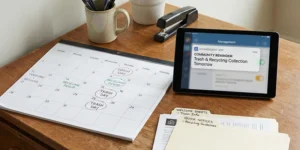
Regular touchpoints reduce surprises. A light calendar also lowers complaint volume. Planning beats reacting. Short updates can also build goodwill over time.

Seasonal reminders work when they feel timely. Winter notes can cover heat and pipes. Summer notes can cover filters and pests. Storm-season notes can cover basics like loose items on balconies.

A few repeat moments often help:

  • A move-in check-in after the first week
  • A quick heads-up before planned inspections or vendor visits
  • A renewal note early enough for real choices
  • A brief follow-up after major repairs or building-wide projects

Communication That Sticks

Good tenant communication stays calm, clear, and consistent. Steady habits turn everyday messages into long-term trust.


Related Articles:


Security Deposits: Rules, Limits, and Best Practices

Security deposits can feel like the first real test of a rental relationship. When expectations stay clear from day one, fewer surprises show up at move-out. This guide walks through the rules that matter most and the habits that keep issues small.

Security Deposits set the Tone

security deposit regulations

Security deposits work best when everyone knows what they are for. The deposit is meant to cover unpaid rent, damage beyond normal wear and tear, and a few other lease-based charges that the law allows in your area.

A clear policy protects the property and keeps good residents from feeling blamed. The same clarity also helps a management team explain deductions without turning the conversation into a debate.

Local Rules Shape Your Policy

Most rules around deposits come from state and city law, not from a single federal standard. That is why security deposit regulations should be treated as a starting point for your own internal process, not a box to check once and forget.

Deposit caps, interest rules, and return deadlines can change from one address to the next, even inside the same state. For that reason, a quick legal review of each market often saves real time later, especially when a new ordinance takes effect.

Some places require deposits to be kept in a separate account, and a few require interest payments. Other areas focus less on where the money sits and more on how fast it is returned and how deductions are explained.

Setting a Fair Amount

rental deposit

A deposit amount should match the risk of the unit, the market, and the limits set by local law. Many states cap deposits at one or two months’ rent, while others leave the amount to the lease, so a one-size number rarely fits every portfolio.

Fairness matters as much as legality. A higher deposit can screen out applicants who would have been reliable, while a lower deposit can leave an owner underprotected. The best balance usually comes from looking at unit condition, pet policies, and the cost of common repairs in that building.

The term rental deposit sometimes shows up in older leases or local slang, but the same basic principles still apply. Clear language in the lease should spell out what the deposit covers, what it cannot cover, and when it will be returned.

Paper Trails Prevent Disputes

Documentation is the quiet hero of deposit management. A move-in checklist, time-stamped photos, and signed acknowledgements make later decisions easier to defend, even when emotions run high.

A simple routine helps here. Photos should be taken in good light, with close-ups of existing marks, flooring, appliances, and bathroom surfaces. A short note about missing keys, worn paint, or prior stains can prevent a disagreement months later.

A few items deserve a place in every move-in packet:

  • A condition checklist with signatures from the resident and manager
  • Photo documentation stored with the tenant file
  • Written rules on cleaning expectations at move-out
  • A clear method for submitting a forwarding address

Normal Wear vs Real Damage

security deposit regulations

Normal wear shows up in every home that is lived in. Faded paint, minor scuffs, and gently worn carpet in high-traffic paths are common examples, and these costs usually stay with the owner.

Damage looks different. Deep gouges in flooring, broken fixtures, large holes in walls, missing screens, or pet-related odors often point to repair work that goes beyond ordinary use. Those items can justify deductions when the lease and local law allow it.

Gray areas cause most conflict. A stained oven, heavy grease on cabinets, or a unit left full of trash might be billed as cleaning, yet the line between routine turnover and extra work should be explained in writing and applied consistently.

Deductions That Make Sense

Good deductions come with three things: a clear reason, a clear number, and clear proof. Receipts, invoices, and dated photos provide support, and they also show residents that decisions were based on facts instead of frustration.

Consistency protects your team. The same charge for the same repair should apply across units, with variations explained by the scope of work, not by the personality of a resident. When an estimate is used because a final invoice is not ready, a quick follow-up with the final paperwork helps keep the record clean.

A fast check before move-out can lower deductions for everyone. Small fixes like replacing lightbulbs, touching up minor paint, and tightening loose hardware usually cost less during occupancy than after the keys are turned in.

A Clean Return Process

rental deposit

Security deposits can turn into a problem when the return process feels slow or vague. A written timeline in the lease, paired with a reliable internal calendar, makes deadlines easier to meet.

Most states require either a full return or an itemized list within a set number of days after move-out. A process built around that deadline should include a final walkthrough, photo documentation, and a written statement that lists each deduction with a short explanation.

Delivery details matter, too. A check that goes to the wrong address can look like a missed deadline, so forwarding information should be collected early and confirmed in writing. Some management teams also ask for an email address for faster updates, while still sending the official notice by the method required in that state.

Tricky Situations That Still Need a Plan

Roommates can complicate deposit returns. One check made out to multiple names can create delays, so lease language should state how refunds will be issued and how disputes between roommates will be handled.

Lease renewals raise another question. Some owners prefer to carry a deposit forward unchanged, while others adjust it when rent changes. In either case, a written record of what was held, what changed, and why it changed keeps accounting clear.

Pet charges deserve careful wording. Some areas treat pet deposits like any other deposit, while others limit or restrict them. A separate pet fee can be an option, but local rules still control what can be charged and what must be refundable.

Habits That Keep Things Simple

security deposit regulations

Strong deposit management is mostly routine, not drama control. A consistent lease template, a standard inspection checklist, and a single folder for all photos and receipts remove guesswork from the process.

Training helps keep the tone steady. Residents notice when one manager is flexible and another is strict, so the same standards should be applied by every team member. When a dispute appears, calm language and clear documentation usually work better than long explanations.

Security deposits should feel predictable, not personal. With clear expectations at move-in and clean paperwork at move-out, the deposit stays what it was meant to be: a practical tool that supports the property.

Turnovers Without Tension

Better deposit practices bring more than fewer complaints. Cleaner turnovers, steadier cash flow, and stronger resident trust often follow when the process stays consistent. That is a win for owners, managers, and the people who call the property home.


Related Articles:


Full-Service vs Self-Managed Rentals: Which is Right for You?

A rental can be a smart buy, yet the day-to-day work shocks many owners. The choice often comes down to Full-Service vs Self-Managed, and that pick shapes late-night calls, repairs, and tax season. The best fit rests on your time, your stress level, and how hands-on you want to be.

Full-Service vs Self-Managed: What Those Labels Really Mean

A lot of people think “full-service” means handing over the keys and being done. In real life, a full-service manager handles the daily tasks while you keep the big calls. A self-managed rental puts those tasks on you, plus the stress that comes with them.

Full-service help often covers the main work that keeps a unit rented and in good shape. The exact list can vary by firm, so the service plan should be read with care. Typical tasks include:

  • Marketing the home and showing it to renters
  • Screening renters and writing the lease
  • Collecting rent and following up on late pay
  • Setting up repairs and routine upkeep
  • Taking tenant calls and tracking requests
  • Sending owner reports and year-end totals

Self-management can feel easy when the tenant is steady and the home stays quiet. Real life is less neat, and the hard weeks do not show up on your plan. A strong system helps, but the risk still sits with you.

The 2 a.m. Test

The 2 a.m. Test

For many owners, time is the first true deal-breaker. A leak will not wait for office hours, and a lockout will not care about your plans. Full-service help can take those calls, while self-management makes you the point person each time.

Distance shifts the math fast. A rental across town still takes drive time, and a rental across state lines adds real hassle. Even a simple check-in can turn into a long errand when travel is part of the mix.

The workload also comes in bursts. Turnover, storms, and long weekends tend to pile issues close together. In a self-managed setup, your own plans have to bend, because the rental will not.

Distance Adds Hassle

A nearby unit lets you see the issue and meet a vendor with less prep. A faraway unit means more trust in photos and updates from others. That setup can feel fine until a big repair needs a fast call.

Work Schedule Matters

A flexible day helps, most of all when you can take calls and step out for key visits. A packed week makes self-management hard, even with a great tenant. Full-service support often fits best when your income depends on staying locked in elsewhere.

Money Beyond the Monthly Fee

Money Beyond the Monthly Fee

Fees are easy to compare, but the true cost is more than the monthly rate. Full-service pricing often has a base fee, plus extra fees for leasing or renewals. Self-management skips those bills, yet your time and your errors still cost money.

A useful way to think about Full-Service vs Self-Managed is to price your own time. Hours spent on showings, follow-ups, and repair calls are hours not spent on your main work or your home life. For some owners, that trade is fine, while others would rather pay and get their nights back.

Key cost areas to ask about, even if you plan to self-manage:

  • Leasing costs, like ads and renter screens
  • Lease forms and key notices
  • Repair calls, after-hours contact, and follow-up
  • Bookkeeping help, such as owner reports
  • Vacancy time, such as slow showing weeks

Repair billing needs a clear answer. Some firms charge a set fee to manage repairs, while others bill through a vendor plan. A clear rule makes it easier to plan cash flow.

Rules That Still Land on You

Rules That Still Land on You

A rental is not just a side job; it comes with rules. Fair-housing laws, local safety codes, deposit time limits, and notice rules can bring real risk when they are missed. A good manager can cut down that risk with a set process, but owners are often still on the hook.

Screening is a common pain point. Clear, steady rules matter, and a simple paper trail matters, because choices can be questioned later. In a self-managed setup, a written screen plan helps you stay fair and steady.

Paperwork adds up, even with a long-term tenant. Renewals, checks, repair notes, and message logs help when a fight pops up. Local rules vary a lot, so a local lawyer or a trusted manager can be worth a call.

Areas that often trip up owners include:

  • Ad words and screen rules
  • Deposit steps and notice dates
  • Repair speed tied to safety rules
  • Entry notices for checks and repairs
  • Income and spend logs

Tenant Moments That Shape Renewals

Tenant Moments That Shape Renewals

A lease is a paper deal, but the day-to-day feel drives renewals. Response time, tone, and follow-through shape how tenants talk about the home. In a full-service setup, that work is run by a team with a set process.

A self-managed setup can feel more personal, which some tenants like. Direct talk can also keep small issues from turning into big ones. Still, the line between “owner” and “on-call help” can get thin.

A third party can make hard talks easier. Late rent, rule breaks, and lease pushback feel less personal when a manager sends the message. For owners who hate conflict, that buffer can protect both the deal and your peace of mind.

Maintenance Without the Guesswork

Maintenance Without the Guesswork

Maintenance is where self-management gets very real. One repair need can lead to calls, bids, follow-up, pay, and a return trip. With full-service help, those steps are often handled through a known list of vendors and simple tracking tools.

Upkeep matters more than most owners think. HVAC tune-ups, gutter cleanings, pest work, and routine checks can stop bigger damage later. A manager often has a set calendar for this, while self-management means you build the plan and stick to it.

Vendor skill can shape your whole year. A solid plumber and a steady handyman can save money over time, even at a higher rate. In a self-managed setup, your vendor list becomes part of your safety net.

A Practical Choice

A short check can help more than a long pro-and-con list. Your time, your comfort level, and your home type often point to the right lane. A newer condo with few moving parts is easier to self-manage than an older house with repairs that pop up often.

These questions can clarify the Full-Service vs Self-Managed choice:

  • How many hours per month can you truly give the rental?
  • How firm can you be on late fees and lease rules?
  • How fast can you act on an urgent repair call?
  • How steady is your screen plan and your paper trail?
  • How close are you to the home and your go-to vendors?
  • How many rentals do you want in the next two years?

A mix can work, too, and it is common. Some owners hire help to lease the unit, then self-manage once a tenant moves in. Over time, a first rental may start self-managed and shift to full-service when life gets busy.

Your Best Match

The right answer is the one that keeps the rental in good shape without draining your time or patience. A clear look at Full-Service vs Self-Managed often shows which tasks you want to keep and which ones you want off your plate. With the right fit, the rental supports your life instead of fighting for your time.


Related Articles:

Tenant Rules in HOA Communities

Life in a homeowners’ association can feel simple until a rental enters the picture. Tenant Rules in HOA communities exist to protect property values, reduce neighbour conflicts, and keep shared spaces running smoothly.

Tenant Rules in HOA Basics

Tenant Rules in HOA communities usually come from the same place as owner rules: the governing documents and board-adopted policies. Most of the time, the HOA’s CC&Rs set the foundation, while separate rules and guidelines cover day-to-day expectations.

A key point often gets missed early. The lease may be private, but the community standards are not, so renters can be required to follow HOA rules even though they are not members of the association.

Tenant Rules in HOA settings can also shift over time. Updates may happen when rental numbers rise, parking becomes tight, or maintenance complaints start to pile up.

Why HOAs Care

hoa tenant rules

From the board’s perspective, consistency matters more than who lives in the home. A homeowners’ association tenant still uses common areas, creates noise, parks vehicles, and impacts neighbours the same way an owner does.

Rentals can also introduce turnover. That can lead to more questions about trash schedules, pool access, and where guests can park, so rules get tightened to reduce friction.

Insurance and liability concerns also play a role. Pools, gyms, dog runs, and shared sidewalks all carry risk, and tenant regulations often focus on keeping those spaces safe and predictable.

Lease Terms That Matter

Many associations regulate leasing before they regulate behaviour. Limits can show up as caps on the number of rentals, minimum lease lengths, or requirements to submit a copy of the lease to the HOA.

Approval steps are common in some communities. An application, a background screening, or a move-in orientation may be required before keys change hands, especially in condos with shared entrances and elevators.

A few common leasing-related rules show up again and again:

  • Minimum lease term requirements, such as six or twelve months
  • Limits on short-term rentals and “hotel-style” stays
  • Required lease clauses that bind tenants to HOA rules
  • Move-in procedures, deposits, and elevator reservations in multi-unit buildings

Clear language in the lease helps prevent surprises later. A quick review by the owner before signing can save weeks of back-and-forth once the tenant has already moved in.

Daily Conduct Standards

hoa tenant rules

Noise, pets, and guests tend to create the most conflict, so many communities focus Tenant Rules in HOA policies in these areas. Quiet hours can be enforced, and repeated complaints may trigger fines that the owner ends up paying.

Pet policies often include leash rules, waste cleanup rules, and limits on breeds or sizes where allowed by law. Guest rules can cover pool wristbands, gate codes, and how long visitors can stay overnight.

Smoking rules are another common flash point. Some HOAs restrict smoking in common areas, patios, balconies, or near doors and windows where smoke drifts into neighbouring units.

Parking and Common Areas

Parking is where small issues become daily problems. Assigned spots, guest parking limits, street parking restrictions, and vehicle types are often spelled out in detail, especially in tighter communities.

Common areas usually come with access rules and etiquette rules. Pool capacity, hours, guest limits, and age rules may be posted, and violations can lead to lost privileges for the unit.

Storage and clutter rules tend to be strict in shared spaces. Hallways, stairwells, balconies, and patios can be regulated to keep exits clear and maintain a consistent look.

Exterior Upkeep Expectations

hoa tenant rules

Exterior appearance is where renters often get caught off guard, especially in townhomes or single-family HOA neighbourhoods. Even when a tenant does not own the home, the unit can still be cited for things like mildew on siding, algae on walkways, or oil stains on driveways.

That’s also where pressure washing fits into the conversation in a practical way. A simple cleaning plan can prevent repeated notices and help the property look cared for, which keeps neighbours happier and reduces board follow-up.

A few upkeep habits usually help renters and owners stay ahead of problems:

  • Regularly clearing leaves from walkways and drains
  • Reporting gutter overflow, leaks, or staining early
  • Avoiding harsh chemicals that can damage painted surfaces
  • Scheduling periodic exterior cleaning when buildup becomes visible

Sometimes the owner handles this work, and sometimes it is assigned in the lease. Either way, the HOA typically cares about the outcome, not who booked the service.

Enforcement and Fines

Enforcement usually follows a process. A notice is sent, a cure period is provided, and fines may follow if the issue is not resolved.

Some associations hold the owner responsible for every violation tied to the unit. That means a renter’s noise issue, trash issue, or parking issue can still become the owner’s financial problem, which is why good screening and clear lease language matter.

Repeated violations can lead to stronger actions in some communities, such as suspended amenity access. In extreme cases, legal action may also be available to the association, depending on the documents and local law.

Working With Management

hoa tenant rules

The smoothest rentals happen when expectations are shared early. A simple move-in packet that includes parking maps, trash days, pool rules, and contact info prevents many first-month violations.

Communication style matters too. Quick updates from the tenant to the owner, and from the owner to the management company, can stop a minor issue from turning into a formal violation.

Tenant Rules in HOA communities work best when they feel predictable. When rules are easy to find and consistently enforced, renters are more likely to follow them and neighbours are less likely to feel ignored.

Staying in Good Standing

Tenant Rules in HOA living can feel strict at first, but most are aimed at keeping the community clean, calm, and safe. A clear lease, early education, and steady upkeep usually prevent the headaches that turn simple living into constant notices.


Related Articles:

Benefits of Community Surveys: Why Your HOA Needs It?

Community surveys give your board a clear window into what residents actually think, need, and expect. Instead of guessing based on the loudest voices, your HOA can use structured feedback to guide decisions, reduce tension, and improve daily life in the neighborhood.

Community Surveys Help HOA Boards

Community surveys help your board move from assumptions to real data. Instead of relying on hallway conversations or a few emails, you hear from a broader mix of homeowners, including those who rarely attend meetings.

For many associations, this wider feedback changes the tone of discussions. Board members have more confidence in decisions because they can point to specific survey results. Homeowners also feel that their opinions count, which reduces suspicion and frustration.

Over time, regular community surveys create a culture where feedback is normal rather than confrontational. People start to see the board as a partner, not just an authority.

Bringing Better Communications

Healthy communication in an HOA goes both ways. Community surveys give residents a simple way to respond, not just receive notices and reminders.

Quiet owners, busy families, and new residents often appreciate this kind of structure. A short survey feels easier than speaking up in a crowded meeting or writing a long email. When the board offers both options, more voices are heard.

Neighborhood surveys can also be tailored to specific groups. You might send one version to owners and a different version to tenants, or run a special survey for a single building that is dealing with a unique issue.

Making Better Decisions With Real Data

Every board faces tough choices about budgets, rules, and projects. Community surveys help you understand which ideas have broad support and which ones may cause friction.

Before adjusting assessments or planning a major project, HOA surveys can ask residents about priorities. For example, owners can rank planned upgrades, share concerns about parking, or rate how satisfied they are with current services.

When the results are clear, board discussions become more focused. Instead of wondering what the community wants, you already have a snapshot of preferences to guide the final decision.

Support for Long-Term Planning and Reserves

Reserve projects and long-term plans affect everyone for years. Community surveys give your board insight into how owners feel about timing, scope, and impact.

A survey can ask residents which common areas feel tired, which amenities they use most, and what types of improvements they value. This does not replace a reserve study, but it helps you match technical recommendations with homeowner expectations.

Repeated community surveys over several years also reveal trends. If more residents are asking for shaded seating, improved lighting, or updated fitness spaces, your board can factor that into future plans instead of reacting at the last minute.

Community Surveys vs Everyday Feedback

Emails, phone calls, and casual comments still matter. However, they usually reflect only a small slice of the community.

Community surveys offer structure. Questions are organized, topics are clear, and responses can be measured. You are not just hearing from whoever is upset that week, but from a mix of residents with different schedules and views.

Both types of feedback work best together. Everyday feedback alerts the board to urgent problems, while neighborhood surveys give a broader view that supports policy changes and long-term planning.

Designing HOA Surveys That Residents Actually Answer

Residents are more likely to complete surveys that feel short, focused, and respectful of their time. Clear goals help you keep things tight and avoid question overload.

Most HOA surveys work well with a mix of simple formats. Yes-or-no options and rating scales make it easy to respond, and a few open-ended questions give homeowners room to explain unique situations.

For quick pulse checks, many boards stick to a survey that takes only a few minutes to finish. Shorter surveys tend to draw more participation and better quality responses.

Simple Design Tips for Community Surveys

A few basic choices can make your community surveys more effective:

  • A short introduction that explains why you are asking for feedback and how it will be used
  • One main goal, such as budgets, amenities, rules, or communication, instead of packing everything into a single survey
  • Plain language for every question, so residents do not need to decode legal or technical terms
  • An optional comment box at the end, for ideas or concerns that did not fit anywhere else

When the survey feels clear and respectful, residents are more likely to respond honestly.

Choosing the Right Format for Neighborhood Surveys

Different communities need different survey tools. Many boards use online forms because they are fast to create, easy to share, and simple to tally.

Some residents still prefer traditional formats. Paper surveys, printed and dropped off at doors or mailboxes, can be helpful for older owners or neighbors who are less comfortable with technology.

A blended approach often works best. Online HOA surveys can be promoted through email and a resident portal, while paper copies are made available at the clubhouse, management office, or community events.

Encouraging Participation and Building Trust

Participation rates matter just as much as survey design. A larger pool of responses gives a more accurate picture of what the community thinks.

Clear communication helps. Residents respond more when they know why the survey is important, how long it will take, and what will happen with the results. A simple deadline and one or two friendly reminders usually improve turnout without feeling pushy.

Trust also grows when people feel safe to share honest opinions. Some topics work well with anonymous responses, especially sensitive issues around rules, noise, or safety. Other topics may require identified responses, especially when follow-up is needed. Sharing this choice upfront makes the process feel more fair.

Sharing Results and Closing the Loop

The real value of community surveys appears after the responses are collected. Homeowners want to know what was learned and what the board plans to do next.

A short summary works best. Boards often highlight key themes, general levels of support, and a few representative comments. This can be presented in a newsletter, an email update, or a brief slideshow during a meeting.

Most important is the follow-through. When the board explains which ideas will move forward, which ones will wait, and why certain suggestions cannot be implemented, residents see that their input influenced real decisions. That closing step builds trust and sets the stage for the next survey.

Common Pitfalls When Running Community Surveys

Community surveys work well when they are focused and fair. Problems start when surveys feel confusing, overwhelming, or biased.

Overly long questionnaires often push residents to quit halfway through, or rush through important questions just to finish. Leading questions can tilt the results by nudging owners toward a specific answer. Both issues weaken the quality of the feedback.

Privacy concerns also deserve attention. Storing responses without a plan, or sharing raw comments too widely, can make residents nervous. A simple policy on who can see the data, how long it will be kept, and how it will be used helps avoid misunderstandings.

Partnering With an HOA Management Company

Many boards already juggle full schedules. An experienced HOA management company can support the entire survey process, from planning questions to distributing forms and compiling results.

Management teams often have access to digital tools that keep responses organized. They can help you track participation, create simple charts, and prepare summaries that are easy to share with the community.

Strong partnerships make community surveys easier to repeat. Once a process is in place, future surveys can be adjusted and reused for annual check-ups, major projects, or specific topics that need feedback.

Surveying With Confidence

Community surveys give your board a clear, organized way to listen to residents and act with confidence. When surveys are designed well, shared clearly, and followed by visible action, they become one of the most helpful tools your HOA can use.

Do you need a property management company to help with community surveys? Check out our online directory to find one today!

Related Articles:

Smart Trash Disposal and Recycling for Rental Owners 

Community life runs smoothly when waste rules feel clear and easy to follow. Trash disposal touches daily routines, budgets, and curb appeal. This guide walks through practical steps that property owners can use right away.

What Are Trash Disposal Basics?

Most issues start with unclear instructions. Simple, plain rules keep the property tidy and help control costs. Having a trash disposal plan works best when everyone in the community knows what goes where and when collection happens.

Because of this, consistency matters. Your rental must have the approved bin sizes, colors, and labels so residents recognize them at a glance. Remind tenants to keep lids closed, bag loose trash, and place bins with enough space for the truck’s lifter.

Timing avoids missed pickups. In many cities, bins can go out the night before and must come back in the same day. Spell out those windows to prevent cluttered sidewalks and fines.

Rules for Containers, Placement, and Pickup Windows

Clear spacing helps haulers do the job safely. A good rule of thumb is to place bins a few feet apart and a few feet from cars, mailboxes, or fire hydrants. Wheels to the curb and lids fully shut make a real difference.

Storage locations reduce complaints. Garages or fenced side yards typically work best. Common areas should include enclosures with room to move, good lighting, and a flat surface.

Wind and wildlife create messes fast. Tight lids and heavy-duty bags keep crows, raccoons, and cats from spreading trash. On windy days, remind residents to wait until morning if local rules allow it.

Trash Recycling That Fits Real Community Life

Recycling works when it stays simple. Use plain language and big icons on signs so that renters do not have to guess. Paper, flattened cardboard, metal cans, and clean plastic bottles remain the usual items, though local rules can vary.

Contamination raises costs. Food, garden hoses, plastic bags, and greasy pizza boxes usually belong in the trash. A quick rinse for containers cuts odors and keeps recycling streams clean.

recycling improves when bins sit next to trash bins, not down the hall. Matching colors and paired placement nudge the right choice. Regular reminders keep participation high without nagging.

Garbage Disposal and Kitchen Habits

Many homes rely on a garbage disposal under the sink. That device handles small food scraps, not everything on the plate. Fats, oils, grease, bones, coffee grounds, and fibrous peels clog pipes and can strain shared lines.

Kitchen routines matter in multifamily buildings. Scrape plates into the trash, then rinse light residue before using the garbage disposal. A brief cold-water run helps move particles through the system.

Plumbing backups get expensive. A short “what not to put in the drain” list in welcome packets prevents headaches and emergency calls.

Special Waste, Bulky Items, and Hazardous Drop Offs

Old furniture, mattresses, and appliances need special handling. Most haulers offer bulky pickup by request or on set days. Publish the schedule and show where to stage items so hallways stay clear.

Electronics, paint, batteries, and chemicals require safe disposal. Direct residents to county drop sites or periodic collection events. A seasonal calendar with these dates reduces illegal dumping and keeps common areas safe.

Yard waste programs also vary. Leaves and branches may need special bags or bundles. When rules change with the season, send a quick reminder.

Coordinating with Vendors

Contracts drive service quality. Confirm pickup frequency, container counts, included tonnage, contamination fees, and holiday schedules. Ask for written service-level standards to clarify response times and missed-pickup fixes.

Right-sizing saves money. If bins overflow every week, add capacity or increase frequency before messes turn into complaints. If bins remain half-empty, reduce service to match actual needs.

Competitive bids help the budget. A quick request for pricing every few years keeps rates honest and may unlock better recycling options.

Education That Sticks Without the Lecture

Adults do not need long lectures. Short, friendly prompts work best, especially around move-in and before holidays. Graphics beat long lists.

  • One page welcome sheet with collection days and a simple map
  • Stickers or lid decals showing “what goes where.”
  • Short reminders before storms, holidays, and community events

Positive framing encourages cooperation. Thank residents when common areas look clean, then point to the steps that made it happen.

Enforcement That Stays Fair and Neighborly

Most residents want to follow the rules. Start with a courtesy note and a photo that shows the issue and the fix. Keep the tone calm and specific.

Repeat issues may need a formal notice. Fines can exist, but use them as a last step. Offer help for new residents who are still learning the system.

Documentation protects everyone. Photos and quick logs show patterns and help the board resolve disputes with vendors or owners.

Sustainability Wins With Recycling and Cost Control

Waste reduction brings real savings. Clean recycling can reduce landfill fees and may qualify the community for lower rates. Food-scrap pilots or yard-waste programs can trim tonnage further.

Simple metrics keep progress on track. Track missed pickups, overflow incidents, contamination tags, and tonnage, if available. Quarterly reviews point to easy wins, like a bin swap or route tweak.

Trash disposal planning ties directly to curb appeal and resident satisfaction. A tidy enclosure and clear signs show pride in the community.

Simple Tools and Reminders the Board Can Use

Calendars guide behavior. Post an annual schedule with collection changes, bulky pickups, and hazardous drop-off days. Add storm reminders when rain or wind may disrupt service.

Digital nudges help. Email or text reminders the evening before pickup, keep bins out on time and off the street afterward. Quick notes also head off holiday confusion.

Templates save time. Keep a ready-to-send welcome sheet and a short “oops” notice for common issues. Trash disposal improves when communication stays steady and predictable.

The Proper Processes

Clean common areas, fewer complaints, and stable costs mark a strong program. With clear rules, steady reminders, and fair follow-through, Trash disposal becomes a simple habit, not a headache. The result feels better for residents and friendlier to the budget.

Are you looking for a property management company to help with trash disposal and recycling? Check out our online directory to find one today!


Related Articles:

Subleasing Vs Subletting: How To Decide The Best Option For The Situation

When it comes to rentals, subleasing vs subletting can be considered similar processes. However, they actually have distinct purposes, depending on several factors. One could be better in certain situations compared to the other. But what makes them different?


What Is Subleasing?

You can describe subleasing as the practice of rerenting a property by the main tenant to a third party for all or a part of the existing lease contract. However, this practice may or may not be allowed, depending on the original lease agreement. It’s also usually subject to restrictions, depending on the jurisdiction.

Additionally, the original renter needs to know that this practice doesn’t end their responsibilities on the original lease contract. They are still responsible for paying for their rent and for any repairs and damages to the property.


What Is Subletting?

When a property is sublet, the landlord rents it out to a new tenant. The new tenant has direct contact with the landlord and pays rent directly to the landlord. This usually happens if the original renter can no longer occupy the space and is out of the picture. As such, the subtenant will be responsible for the leased property.


Key Differences: Subleasing vs Subletting

Is sublet and sublease the same thing? Many people use subleasing and subletting interchangeably, but they have several key differences. Understanding the differences between subleasing and subletting is crucial for choosing the right option. Here are the primary distinctions:


subletting an apartmentOccupancy and Responsibility

In subleasing, the original renter may still be living in the property with the subtenant. They may also lease just a portion of the home. With this, the sublessor can maintain some control over the property while sharing the space with a new tenant.

On the other hand, the original renter usually doesn’t reside in the sublet property at all. Given this, the subtenant now takes on full responsibility during the said period.


Lease Agreement

In a sublease, the original agreement between the first renter and landlord stays. The subtenant usually doesn’t have any contact with the landlord. Instead, the original renter serves as the middleman who needs to ensure that the subtenant follows lease terms.

On the other hand, a landlord and the new renter usually have a separate contract for sublet arrangements. This helps simplify the arrangement and puts all responsibility on the new tenant.


Financial Arrangements

If there is a sublease, the subtenant pays the sublessor rent money, which the sublessor will use to pay the landlord.

Meanwhile, since a subtenant has direct contact and direct responsibilities in a sublet property, they will have to pay directly to the landlord.


Pros and Cons of Subleasing vs Subletting

Of course, both subleasing and subletting arrangements have pros and cons. Here’s some of them:

Pros of Subleasing

  • Maximizes Rental Space: This arrangement lets tenants rent out parts of the space, helping them become more flexible with unused portions of their space. It’s one of the best ways to maximize properties with extra rooms or shared living spaces.
  • Cost-sharing for Tenants: Through this arrangement, you can split the rental money with another person. Sharing the rent with a subtenant helps reduce the original renter’s financial burden.
  • Provides Short-term Solutions: Subleasing can be helpful for temporary problems, such as cases when a roommate moves out or when a tenant needs additional income for a short period.


Cons of Subleasing

  • Liability Remains on the Sublessor: Technically, the original renter is the only one responsible for the lease agreements. This means they’re also responsible for any damages done by the subtenant. This can create financial and legal risks if issues happen to surface.
  • Legal Complexities: Trying to get this arrangement approved based on the original lease terms can be tricky. However, non-compliance may lead to severe consequences, such as eviction or fines.
  • Disputes May Still Happen: Disputes about payment and money can happen between the sublessor and the subtenant. This is especially common when rent payments and other obligations for both parties are not discussed clearly.


Pros of Subletting

  • Landlord Can Vet for New Tenant: Unlike subleasing, this arrangement usually involves the landlord approving a lease transfer to another renter. With this, the landlord has the opportunity to scrutinize possible tenants via background checks to make sure they are good occupants.
  • Long-Term Stability: Subletting helps avoid any unexpected vacancies for the property. It helps landlords avoid any gaps in rental income.
  • Potential Profit: Subletting can help landlords get the opportunity to renegotiate rent terms for new tenants. For example, if market rates have gone up since the original lease, the landlord can increase the rent for the new tenant.


Cons of Subletting

  • Lease Turnover Involves More Work: Subletting will have to involve the landlord. So, with a new lease, the landlord needs to process it from scratch. It involves screening for new renters, updating the contract, and collecting security deposits again, among others. That’s more administrative work fo rthe landlord.
  • Potential for Vacancy if No Replacement is Found: In an ideal scenario, subletting allows for a seamless transition, helping minimize any property vacancy. However, it may be challenging to find suitable renters, and the unit could remain vacant longer than expected.
  • Risk of Lower-Quality Tenants: If the original tenant is rushing to leave, the landlord may be forced to transact with a tenant who may be less suitable than what the landlord would expect.


Landlord Considerations: Should They Allow It?

For property owners, allowing subleasing or subletting arrangements will depend on numerous factors. These considerations may include lease terms, local laws, and tenant reliability. Understanding these considerations can help landlords make informed decisions.


Lease Terms and Permissions

A lot of lease agreements explicitly outline whether subleasing or subletting is allowed. Homeowners must ensure that they have clauses clearly indicating their decision on these arrangements to prevent any loopholes. Having clear lease terms also protects landlords in disputes.


sublet vs subleaseTenant Screening

Landlords need to vet potential renters properly to minimize risk. They should perform background checks and ask for references to ensure prospective tenants are reliable and can fulfill lease-related responsibilities.

Legal Compliance

Depending on the location, some states may have laws that prohibit or limit subleasing vs subletting. Homeowners should reach out to legal experts to understand their rights and responsibilities. By complying with state regulations, both parties ensure the arrangement remains enforceable.


Financial Implications

Both arrangements have financial implications for the landlord. Before allowing these arrangements, homeowners must factor in their effects on collecting rent. Although you can take steps to ensure that renters have the ability to pay rent on time. As a result, this will help mitigate any financial risk. Additionally, having an open line of communication between all parties may help prevent any disputes.


Control Over the Property

By permitting subleases or sublets on your property, you also introduce more parties involved. This may complicate how you run things, including property management and maintenance. Therefore, landlords will need to consider both pros and cons before deciding to allow these arrangements.


When Flexibility Meets Responsibility

You may find the differences between subleasing vs subletting confusing. But, if you’re involved in such arrangements, knowing them is needed.

Do you need a property management company to help with subleasing or subletting your property? Check out our online directory to find one today!


RELATED ARTICLES:

Tenant Damages Property: Steps To Take And How To Recover Costs

Renting out a property can be a rewarding investment, but it comes with risks—one of the most common and challenging being tenant damages. Sooner or later, you’ll come across situations where a tenant leaves behind more than just memories.


Understanding Tenant Damages Property

When a tenant damages property, you will have to identify what’s normal wear and tear and what’s actual damage. Normal wear usually includes minor scuffs on walls, faded paint, or loose doorknobs. These occur naturally over time. Straight Edge Painting Pros, a painting company in Charlotte NC, recommends that even if you think the paint looks okay after a tenet leaves you should repaint.

On the other hand, tenant damages are either made intentionally or due to negligence. They usually lead to the following:


Structural Damage

Don’t be surprised when renters leave structural damages to your property. Some examples of this are holes in your walls, broken windows, or damaged flooring. Structural damage greatly affects your rental property’s value. As a landlord, you need to make sure to do repairs immediately.


Appliance Destruction

If your rental property comes furnished, it’ll probably come with appliances like refrigerators, ovens and stoves, or washing machines. Sometimes, renters ar careless when using these appliances. If this happens, you may have to shell out some funds for costly replacements or repairs.


tenant insurance water damagePlumbing Issues

Plumbing issues caused by tenants are usually overlooked. However, if you have clogged pipes or severe leaks, it can result in more damage if you leave it alone. Even with tenant insurance, water damage can still become costly.


Unapproved Modifications

Sometimes, renters like decorating the space. This is okay if they receive permission. Although, sometimes, tenants do it without asking for permission.

Modifications and alterations to a rental usually go against lease agreements. On the side of the landlord, it’ll cost them more money to have the home repaired.


Pest Infestations

Yes, irresponsible renters can cause pest infestations. If tenants leave food or trash everywhere, pests can easily enter your property and infest it. When this happens, you, as a landlord, will have to do more than just repairs. You will also need to hire pest control experts to get rid of the problem entirely, adding more expenses.


What Are a Landlord’s Rights If a Tenant Damages Property?

Landlords have several legal rights when a tenant damages property. What rights you will have varies per state. Some of the most common ones include the following:


Deducting from the Security Deposit

Recouping the money for repairs from the security deposit is the most straightforward way for landlords to handle repairs. While you do have the right to do this, make sure to stay transparent since most states require this. To do this, you should provide an itemized list of deductions.


Seeking Additional Compensation

Sometimes, the security deposit is not enough to cover repair expenses. When that happens, you can require the renter to pay for the remaining costs. If they refuse, you may have to escalate and file a lawsuit in small claims court.


Eviction

In severe cases, intentional or repeated damages may justify eviction proceedings. However, this process should be approached carefully and by local regulations.


Steps to Take When a Tenant Damages Property

Acting quickly and methodically can make all the difference when discovering property damage. Here are some steps to take when this happens.


Document the Damage

In any possible grounds for dispute, such as renter damage, documentation is vital. Therefore, you should take photos or videos of the damage as soon as you find it. You should also add the time and date of when you took them, as well as detailed descriptions of the damaged areas.

It would also come in handy if you have images and videos of the property before a renter lived in it. It can serve as evidence that the damages weren’t there before your tenant moved in.


Review the Lease Agreement

Your lease agreement should outline tenant responsibilities and the consequences of damages. For example, if the lease explicitly prohibits specific actions (e.g., drilling holes in walls), you can hold the tenant accountable for violations.


landlords rights if tenant damages propertyCommunicate with the Tenant

Before jumping to conclusions, discuss the issue with your tenant. Sometimes, damage is accidental, and the tenant may agree to cover repair costs. Maintain a professional tone and avoid making accusations during initial discussions.


Estimate Repair Costs

Get multiple quotes from contractors to determine repair expenses. An accurate estimate not only helps with deductions but also ensures you’re prepared if legal action becomes necessary.


Deduct Costs from the Security Deposit

Follow state laws when deducting repair costs from the security deposit. Most states require landlords to return the remaining deposit, along with an itemized list of deductions, within a specific timeframe (e.g., 21–30 days).


Consider Legal Action for Excessive Damages

You may need to take the tenant to small claims court if the damages exceed the deposit. Ensure you have all necessary documentation, including photos, repair estimates, and the lease agreement.


Can You Go to Jail for Damaging Rental Property?

The question of whether tenants can face jail time for damaging rental property depends on the extent and intent of the damage. Criminal charges may apply in cases of intentional destruction, such as vandalism. However, accidental damages are typically resolved through civil means rather than criminal prosecution. Landlords should report severe cases to law enforcement if they believe the damage was deliberate.


Does Landlord Insurance Cover Tenant Damage?

Landlord insurance often includes coverage for tenant damage, but the specifics vary between policies. Standard landlord insurance policies typically cover:


Accidental Damage

Repairs for unexpected incidents, like a tenant accidentally breaking a window, are often included in landlord insurance policies.


damages by tenantVandalism

Coverage for deliberate property damage caused by a tenant or others is generally included, although some policies may require a police report.


Loss of Rental Income

Compensation for lost rent, while the property undergoes repairs, can be a valuable feature of landlord insurance policies.

It’s essential to read your policy carefully and confirm what is covered. Additionally, some policies may require you to file a police report for certain claims, such as vandalism.


Wrapping Up: Protecting Your Investment

Dealing with tenant damage is an inevitable part of being a landlord, but understanding your rights and following the proper steps can make the process manageable. By staying informed and being hands on, you can protect your property and investment from unnecessary harm.

Do you need a property management company to help with tenant rental damage and recovering costs? Check out our online directory to find one today!


RELATED ARTICLES:

Are Virtual House Tours A Must Now In The Real Estate Industry?

Virtual house tours have become a must in the real estate industry. They have transformed the property buying process and landscape, helping it adapt to modern technology and sensibilities.


What Are Virtual House Tours?

Real estate virtual open house tours showcase a 3D plan, rendering, or video of a property that is being sold or is up for rent. They allow potential buyers or even renters to experience what it’s like to be inside the property online.

By providing a virtual house tour, clients can get a detailed view of the property and tour the rooms in real time.

Real estate companies can use video capture technology or 3D renderings to showcase a house’s main features and layout to potential buyers or renters.

It has become an effective tool in the industry. In fact, 59% of millennial property buyers said they would be somewhat confident in closing a deal for a property they looked through virtually. Additionally, according to recent studies, listings with online tours are viewed 40% more than ones that only use photographs.


Types of Virtual Property Tours

Real estate websites may use several types of virtual property tours regarding format. Here are some of them:


Video Walkthroughs

This type of virtual tour uses pre-recorded videos to give potential buyers or renters a detailed run-through of the home. Usually, the video captures the home’s layouts and features. The video can mimic the point of view of a person touring the area, with narration and comments from an agent highlighting specific details in the home.

Virtual house tours are linear and straightforward. They don’t have any interactive elements that clients can use.


360-Degree Virtual Tours360-Degree Virtual Tours

The 360-degree tour helps users examine every nook and cranny of the home in detail. Since they combine multiple home images from different angles, 360-degree virtual tours are engineered to offer a seamless view.

This type of virtual tour is interactive, as it lets clients move from one POV to another, scroll through rooms, and zoom into specific areas. It provides an immersive buyer experience.


3D Tours

Unlike 360-degree tours and video walkthroughs, 3D tours generally use a digital model of the home instead of a video or set of photos. This type of virtual tour is highly interactive, letting clients select rooms and areas to explore.

This type of virtual tour is made using advanced imaging software, providing a comprehensive representation of the home’s layout and features.


Benefits of Virtual House Tours

Virtual property tours have become a must in the industry today because of their numerous benefits. Here are some of them:


Convenience

Virtual open house tours have become a game-changer for people looking for new properties. Because these tours are online, they offer clients the convenience and flexibility to explore a listing without the limitations of time and location.

In addition to convenience, virtual tours are also more accessible and efficient. Clients can explore numerous properties without leaving the couch, eliminating the need to travel from site to site. With virtual tours, they only need a device that can connect to the Internet.

Virtual tours are convenient for buyers, renters, agents, and real estate companies. Every time a home is showcased during a physical visit, agents and companies need to ensure the house is clean and in excellent condition. Hiring cleaning companies multiple times for multiple viewings can be a hassle. However, if you use virtual tours, you can showcase the house in pristine condition without the hassle.


Provides Spatial Context

Providing photos for real estate listings has critical limitations. They don’t usually offer spatial context, which is crucial for clients with specific property requirements.

Luckily, virtual tours can address these limitations by showing the home’s layout and flow in detail. Interactive tours let clients control what they can see and explore the flow, spatial context, and size of each space about each other. This gives users a more detailed understanding of the home’s interiors.


Better Audience Reach

real estate virtual open houseHaving a virtual home tour posted online helps expand the reach of real estate company websites. It also makes it easier to target specific audiences through digital advertising.

Through their accessibility, online property tours can reach people within specific demographics that traditional tours could not.

For example, these tours help accommodate potential customers with health and mobility issues. Since they can access the tour online, they can view the entire property easily without figuring out the logistics of a physical visit.

Another demographic that this type of tour appeals to is people with hectic schedules or those who live far away. Having busy schedules and living far away will make scheduling a physical visit difficult, but virtual tours enable such clients to see the property at their own convenience.

Expanding clients’ reach in the real estate industry helps improve market exposure, which can result in more deals being closed at reasonable prices.


Saves Time and Money

When listing a home for sale, agents may receive hundreds of emails and phone calls from prospective clients. Of course, this gets trimmed down further since many sending inquiries are simply curious. However, many may push through and schedule a meeting, which can be highly time-consuming for agents.

Visual tours let customers view the homes on their devices, eliminating the need to schedule meetings and travel from site to site.

Eliminating the need to drive back and forth saves time and helps cut travel expenses. In addition to the gas money that gets cut, fees from cleaning companies and other logistics costs can be allocated for other business purposes.


Adapting to the Times

Many real estate companies need to adapt to keep up with the market. Virtual property tours help provide convenience, practicality, and flexibility for the client and the company.

Are you looking for a property management company to help with virtual house tours and property management? Check out our online directory to find one today!


RELATED ARTICLES:

Rent Collection On Holidays: Landlords Should Plan Ahead

Rent collection on holidays can be troublesome for many landlords, as they face many challenges in collecting them on time. Since these days are usually the busiest in the year, it may impact the priorities of both landlords and tenants, causing delays in handling holiday rent.


Common Holiday Rent Collection Challenges

Collecting rent during the holidays can present several challenges and inconveniences. Here are some of them:


Bank Closures

Since it is the holidays, the banks are also more likely closed. Even if tenants try to initiate their rent payments, the bank cannot process them until the next business day. This delay may disrupt cash flow for rental owners and landlords who rely on timely rent payments.


Delayed Automated Transfers

For landlords who use automated payment systems and bank transfers, the holidays may cause a delay as these may also not be processed on non-business days. Similar to bank holiday closures, this will inconvenience landlords and rental owners who rely on receiving payments promptly.


Tenant Availability during HolidaysTenant Availability

When the holidays roll in, people, including tenants, get busy. Many may travel and visit family, others become busy with holiday shopping, while others may focus on hosting parties and family gatherings.

When this happens, paying their rent during the holidays may slip lower on the tenant’s list of priorities.


Landlord Availability

Of course, landlords are humans, too, and may choose to prioritize holiday activities and become busy with holiday plans. If this happens, they may overlook tracking rental payments or communicating with tenants. This can complicate and make dealing with delayed payments more challenging.


What Can Landlords Do?

Luckily, landlords can prepare to mitigate holiday-related collection issues. They may do so by practicing proactive strategies that anticipate those challenges.


Adjusting Due Dates

When the holidays are approaching, landlords can consider adjusting the due days for rent to avoid conflicts with bank closures. For example, suppose landlords usually have rent due on the first of the month. In that case, they can adjust it a few days before or after to accommodate possible holiday delays without negatively affecting cash flow.


collecting rent before the holidaysSending Out Early Reminders

Communication is always crucial, and landlords may send out early reminders to tenants. This is a common and practical way to minimize late or reduced payments. They can notify or remind tenants by email or text a week before the due date, especially when the said date falls during a holiday. This can prompt tenants to make the necessary arrangements ahead of time.


Grace Periods and Late Fee Waivers

Rental owners and landlords may choose to offer grace periods during the holidays. Some decide to waive any late fees tenants may incur during the holidays. By doing this, landlords can build positive tenant relationships by acknowledging that the holidays can be hectic and that circumstances may interfere with timely payments.


Using Technology

Technology can simplify rent collection during the holidays, making it easier for landlords and tenants. Using technology and automated payment systems, tenants may create scheduled rental payments, which may avoid delays brought about by holiday bank system closures.

Some of the technology that can be used for rent payments on holiday weekends may include:

  • Payment Apps: These platforms can help simplify and streamline the payment process. They ensure quick, reliable, and secure payments. Some applications offer scheduling features tenants can set up and authorize in advance.
  • Payment Tracking Systems: For landlords, payment tracking solutions can allow them to monitor payments automatically. These tracking systems may also have other features, such as setting and sending out reminders and tracking possible missed and late fees. These solutions are a dependable way to stay on top of rent collections even when you’re focused on holiday festivities.


Legal Considerations for Holiday Rent

When collecting rent before the holidays, landlords should take note and consider some regulations connected to holiday rent collection to prevent possible issues.


Local Laws

Some states may have specific regulations that involve many aspects of rent collection, including due dates, late fees, and grace periods. They may vary from state to state. For example, in North Carolina, local legislation indicates that there should be a 5-day grace period for payment after the due date.

Taking note of this legislation can help rent collection go smoothly, even during holidays.


Lease ClausesLease Clauses

To make things easier for landlords and tenants in the long run, landlords may include stipulations about holiday rent payments in lease agreements. It defines set procedures for handling rent collections on holidays, and it can avoid miscommunication with tenants.

The said clause can indicate whether payments should be made before or after the holiday. It may also indicate stipulations about grace periods, late fees, and possible late fee waivers.


Frequently Asked Questions

What Happens if Rent is Delayed Due to the Holidays?

A landlord’s course of action will depend on your lease agreement and local regulations. Landlords may offer grace periods or consider waiving late fees during the busiest time of the year, as long as this has been communicated in advance.


Can Landlords Require Rent Payments to be Made in Advance of a Holiday?

Yes, landlords may request early payments to avoid holiday-related delays. However, they need to properly remind and notify tenants about this in advance. Defining the course of action for holiday rent may be best to make things easier when creating your lease agreements.


How can Landlords Avoid Disputes Related to Holiday Rent Collection?

Communication is key. Landlords clearly outline their expectations about rent payment, including in special circumstances like holidays. Additionally, they should stay on top of informing and notifying tenants of any changes in payment schedules.

Keeping communication lines open and addressing tenant concerns greatly helps avoid misunderstandings between landlord and tenant.


Staying on Top of Holiday Rent

With all the festivities keeping everyone busy, it is still possible to attain smooth and seamless rent collection on holidays. With proactive planning, clear communication with tenants, flexibility, and the convenience of technology, landlords can mitigate any disruptions to timely rent collection.

You may benefit from a property management company if you plan to stay on top of holiday rent collections. They can provide tailored solutions for managing your rental property, including rent collections. Find one today through our online directory!


RELATED ARTICLES: