


The rental maintenance and leasing advantage is often what separates average property owners from those who consistently see strong returns. When maintenance and leasing are handled with intention, properties stay occupied, tenants stay satisfied, and income remains steady.
For owners looking to protect their investment and reduce stress, understanding how these two areas work together is essential.
Understanding the Rental Maintenance and Leasing Advantage
The rental maintenance and leasing advantage is built on one simple idea: well-maintained properties lease faster and retain better tenants. When maintenance is proactive and leasing is strategic, everything runs more smoothly.
A property that looks cared for attracts attention right away. Prospective tenants notice details like clean exteriors, functioning systems, and updated features. These elements create confidence and often lead to quicker lease decisions.
At the same time, strong leasing practices ensure that the right tenants are placed from the start. When both sides work together, property owners avoid unnecessary turnover and costly vacancies.
Why Maintenance Plays a Bigger Role Than Most Owners Expect
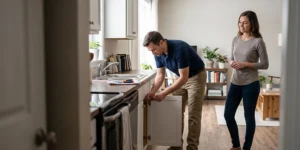
Maintenance is not just about fixing what breaks. It shapes how tenants feel about the property and how long they choose to stay.
When maintenance is handled quickly and consistently, tenants feel valued. Small issues do not turn into larger problems, and the overall condition of the property remains strong. This leads to fewer complaints and a more positive rental experience.
On the other hand, delayed or inconsistent maintenance often creates frustration. Tenants may begin to look elsewhere, even if the property meets their basic needs. Over time, this can increase turnover and reduce profitability.
A well-maintained property also protects long-term value. Systems last longer, repairs cost less, and major replacements can often be avoided or delayed.
How Leasing Strategy Impacts Long-Term Performance
Leasing is more than filling a vacancy. It sets the tone for the entire tenant relationship.
A thoughtful leasing process focuses on both speed and quality. While it is important to reduce vacancy time, it is equally important to place tenants who will care for the property and meet their obligations.
Strong leasing practices often include:
- Clear and appealing property listings
- Accurate pricing based on market conditions
- Thorough tenant screening
- Consistent communication throughout the process
When these steps are followed, the result is more stable occupancy and fewer issues down the line.
Leasing also affects how tenants perceive the property from the beginning. A smooth and professional process creates a positive first impression, which can carry through the entire lease term.
The Connection Between Maintenance and Leasing Success

Maintenance and leasing are often treated as separate responsibilities, but they are closely connected.
A property that is regularly maintained is easier to lease. Clean, functional, and updated spaces photograph better, show better, and rent faster. Prospective tenants are more likely to choose a property that feels move-in ready.
At the same time, strong leasing helps reduce maintenance strain. When qualified tenants are placed, they are more likely to report issues early and take care of the property. This reduces wear and tear and helps maintain overall condition.
Together, these two areas create a cycle of success. Better maintenance leads to better tenants, and better tenants help preserve the property.
Reducing Vacancy Through Proactive Property Care
Vacancy is one of the biggest challenges for rental property owners. Every day a property sits empty, income is lost.
Proactive maintenance helps reduce vacancy by keeping the property in ready-to-show condition. Instead of scrambling to make repairs after a tenant leaves, the property remains in good shape throughout the lease.
This approach allows for quicker turnover between tenants. In many cases, new tenants can be secured before the previous lease even ends.
Key proactive maintenance practices include:
- Regular property inspections
- Seasonal upkeep such as HVAC servicing
- Addressing minor repairs before they escalate
- Keeping common areas clean and presentable
When these steps are part of a consistent routine, vacancy periods tend to shorten significantly.
Enhancing Tenant Retention With Consistent Service

Tenant retention plays a major role in long-term profitability. Keeping a good tenant is often more cost-effective than finding a new one.
Consistent maintenance service is one of the strongest drivers of retention. When tenants know that issues will be handled promptly, they are more likely to renew their lease.
Communication also plays a key role. Tenants appreciate updates, clear expectations, and easy ways to submit maintenance requests. These small details contribute to a better overall experience.
Over time, strong retention leads to fewer turnovers, lower marketing costs, and more predictable income.
Financial Benefits of a Strong Maintenance and Leasing Approach
The rental maintenance and leasing advantage is not just about convenience. It directly impacts the bottom line.
When maintenance is proactive, repair costs are often lower. Small issues are addressed before they become expensive problems. This helps keep operating expenses under control.
Effective leasing reduces vacancy and ensures consistent rental income. With fewer gaps between tenants, cash flow remains steady.
There are also indirect financial benefits. Well-maintained properties often command higher rents. Tenants are willing to pay more for a property that feels clean, safe, and reliable.
Over time, these factors combine to create stronger returns and increased property value.
Common Mistakes That Limit Property Performance

Even experienced property owners can fall into patterns that limit their success.
One common mistake is reactive maintenance. Waiting until something breaks often leads to higher costs and more disruption. It can also create negative experiences for tenants.
Another issue is rushing the leasing process. Filling a vacancy quickly without proper screening can lead to problems later. Late payments, property damage, and early move-outs are more likely when tenants are not carefully selected.
Inconsistent communication is also a challenge. When tenants do not receive clear updates or responses, trust can be affected. This often leads to dissatisfaction and increased turnover.
Avoiding these mistakes can significantly improve overall performance.
How Professional Property Management Creates an Advantage
Many property owners choose to work with professional management companies to strengthen their maintenance and leasing processes.
Property managers bring systems, experience, and resources that can be difficult to replicate independently. They often have established vendor relationships, allowing for faster and more cost-effective maintenance.
On the leasing side, they understand market trends and pricing strategies. This helps ensure that properties are competitively positioned and attract the right tenants.
Professional management also provides consistency. Processes are followed, communication is maintained, and both maintenance and leasing are handled with a clear structure.
For many owners, this leads to better results with less day-to-day involvement.
Practical Steps to Improve Your Rental Strategy

Improving the rental maintenance and leasing advantage does not require a complete overhaul. Small, consistent changes can make a meaningful difference.
Start by evaluating current maintenance practices. Look for areas where preventive care can be added or improved. Even simple steps, like scheduling regular inspections, can have a big impact.
Next, review the leasing process. Ensure that listings are clear, pricing is accurate, and screening is thorough. A well-structured process helps create better outcomes.
It is also helpful to gather feedback from tenants. Their experiences can highlight areas that need attention and reveal opportunities for improvement.
Consistency is key. When both maintenance and leasing are handled with care and attention, results tend to follow.
The Role of Technology in Modern Property Management
Technology has become an important part of property management. It helps streamline both maintenance and leasing processes.
Online portals allow tenants to submit maintenance requests easily. This ensures that issues are documented and addressed quickly. Property owners can also track progress and stay informed.
Leasing platforms make it easier to market properties, screen tenants, and manage applications. This speeds up the process while maintaining accuracy.
Data and reporting tools provide insights into performance. Owners can see trends in maintenance costs, vacancy rates, and tenant retention. These insights support better decision-making over time.
When used effectively, technology enhances efficiency without replacing the human element of good service.
Building Long-Term Success Through Smart Management
For property owners, the goal is not just to fill units, but to create a system that supports steady growth and lasting value.
Our team can help you streamline maintenance, attract better tenants, and reduce vacancy. Contact us today to see how professional property management can make a real difference for your investment.
Related Articles:

 The first thing you should include on your landlord’s summer maintenance checklist is inspecting and cleaning the gutters. Gutters play an important role in redirecting rainwater from the unit’s siding, landscaping, and foundation. This is important because
  Proper outdoor maintenance and landscaping can help extend the lifespan of your property. Trim overgrown bushes, trees, and lawns to keep the property visible and safe. Plant native plants that are more resistant to pests.
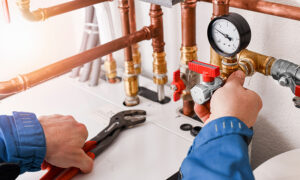 The plumbing system needs regular evaluation and maintenance. Begin by checking all the faucets and sinks for signs of leaks and damage. Flush all the toilets to make sure they’re refilling and draining correctly. Likewise, look for signs of leaks at the base.
 Landlords should conduct routine maintenance inspections on their rental properties. They should check for major damages or smaller issues caused by wear and tear. This also includes checking systems and making sure they are operational.
 Landlords are usually responsible for re-painting the property and ensuring the flooring is in good condition. Generally, landlords repaint properties after a tenant leaves. However, they can also repaint the rental home if enough time has passed.
 Square Footage Formula
 What Are the Property Management Company’s Responsibilities?
 Property management companies are still responsible for maintaining short-term or vacation rentals. However, maintaining these properties differs slightly from maintaining long-term rental properties.
 1. Erroneous Installation
 Check for leaks and drips in your plumbing; repair them at once when identified.
 Are landlords responsible for pest control? Generally, pest control falls under the responsibility of the landlord since it is usually part of property maintenance.
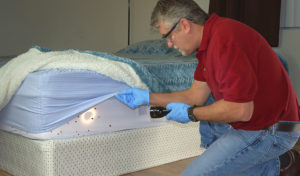 Bed bugs have become a hot issue in many states because of rising infestation rates.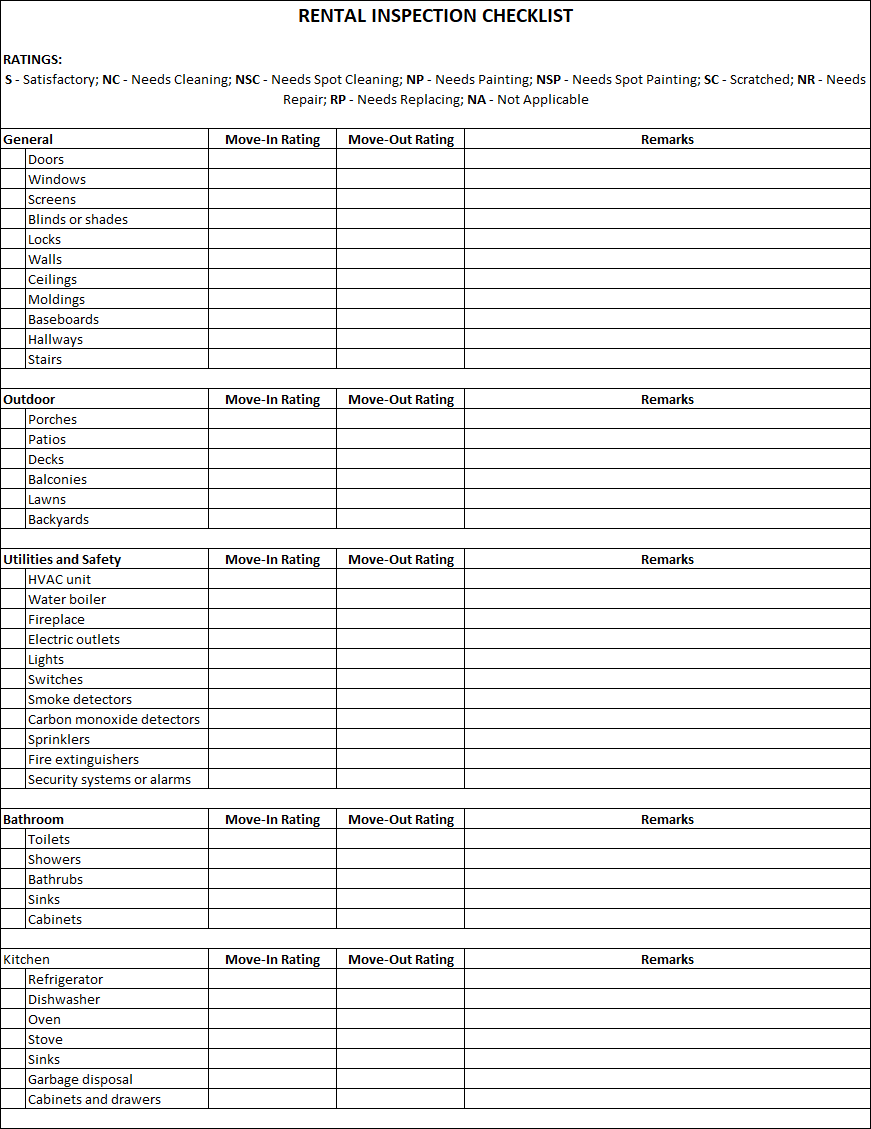
 Exterior cleaning should be a part of any building maintenance checklist. A great way to extend the lifespan of your property is to clean it using a pressure washer.
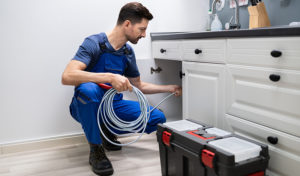 7. Unclog the Sinks
 How Can I Test My Apartment for Mold?
 Company